India’s air-pollution crisis has reached a tipping point, and this week, more than 80 Padma-awardee doctors issued one of the strongest public health warnings the country has ever seen. In a joint appeal, they declared toxic air a “national health emergency”, urging the government to take immediate, large-scale action to protect millions of citizens-especially children, the elderly, and those with chronic illnesses.
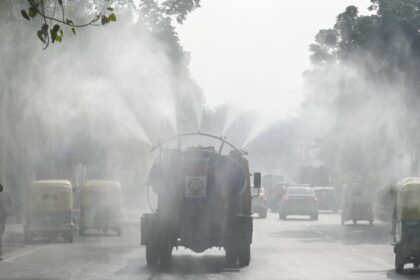
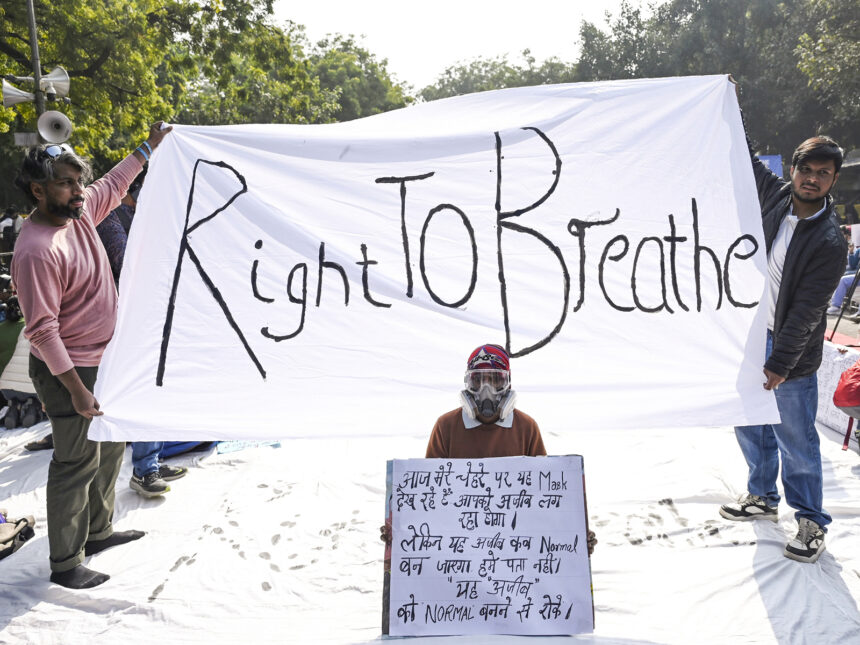
Their statement comes at a time when big cities like Delhi continue to grapple with severe air-quality deterioration. The national capital recorded an AQI above 330 this week, firmly in the “very poor” category. Delhi and the surrounding area have dealt for several winters in a row with dense smog, low visibility, and dangerous levels of particulate matter. Doctors, however, say the crisis is no longer seasonal. Air pollution has become a year-round threat that silently attacks the body.
A Slow, Silent Killer of Millions
In their public statement, the Padma awardees highlighted that air pollution is not an issue that only concerns the environment; it is a direct threat to human life. Various health studies estimate that India accounts for almost 1.7 million deaths every year due to various pollution-related illnesses, such as lung cancer, heart disease, stroke, COPD, and complications among children like asthma and developmental disorders.
The most disturbing thing for doctors, however, is that toxic air strikes the body long before symptoms manifest. “By the time a patient walks into a clinic with breathing problems, the damage has already been accumulating for years,” said one senior doctor. The panel identified that PM2.5 is so fine that it can pass into the lungs, enter the bloodstream, reach the brain, and increase the prospect of neurological diseases, too.
Children and Vulnerable Groups Most at Risk
Of all the groups affected, children are in the gravest danger. Young lungs are more susceptible to inflammation, and exposure to polluted air during early life stages can restrict lung capacity permanently. Doctors warned that many children in polluted cities were growing up with compromised respiratory systems—something that might affect their health for decades.
Pregnant women and the elderly also fall into the category of high-risk groups. Exposure to pollution in expecting mothers increases the rate of premature births, low-weight babies, and other developmental complications. Among older adults, it exacerbates heart conditions, increases the likelihood of strokes, and strains already-fragile lungs.
The doctors termed the present situation as “the biggest public-health risk India has ever faced,” even greater than infectious-disease threats by virtue of its scale and persistence.
Doctors Demand Stronger Public Policies
In their appeal, the Padma-awardee doctors outlined a series of steps they believe the government must take urgently:
Stringent enforcement of rules related to pollution control for all industries, construction sites, and vehicle emissions.
Real-time public health advisories that warn citizens when air quality dips to dangerous levels.
Upgrading healthcare infrastructure to manage rising respiratory and cardiac cases linked to pollution.
Improved air-quality data monitoring that is more transparent and scientifically accurate.
Mass public-awareness campaigns, particularly for parents, schools, and commuters.
Accelerated transition to clean energy, reducing dependence on fossil fuels.
They stressed the need to halt the burning of crop residue through modern agricultural reforms, besides effecting dust-control measures at construction sites, as these two continue to be major contributors to particulate pollution.
Urgency for Citizens to Protect Themselves
While the doctors did call for government action, they urged the citizens to protect themselves. This includes wearing high-quality N95 masks on highly polluted days, using air purifiers at home where possible, refraining from doing strenuous outdoor activities on days when smog peaks, and seeking early medical intervention in case of any respiratory symptom.
Still, they warned that personal precautions do not replace systemic changes. “Individual measures can reduce risk, but only policy reform can save lives at scale,” said the advisory.
A Call to Save the Next Generation
The doctors concluded the joint appeal with a strong message: unless India takes immediate and decisive action now, the nation risks raising an entire generation with reduced lung function, higher disease burden, and long-term health vulnerabilities. Their warning serves as a wake-up call, but not only for policymakers; this is a wake-up call to society. The crisis is no longer far away, seasonal, or ignorable. It has arrived, it is deadly, and it calls for action now.