

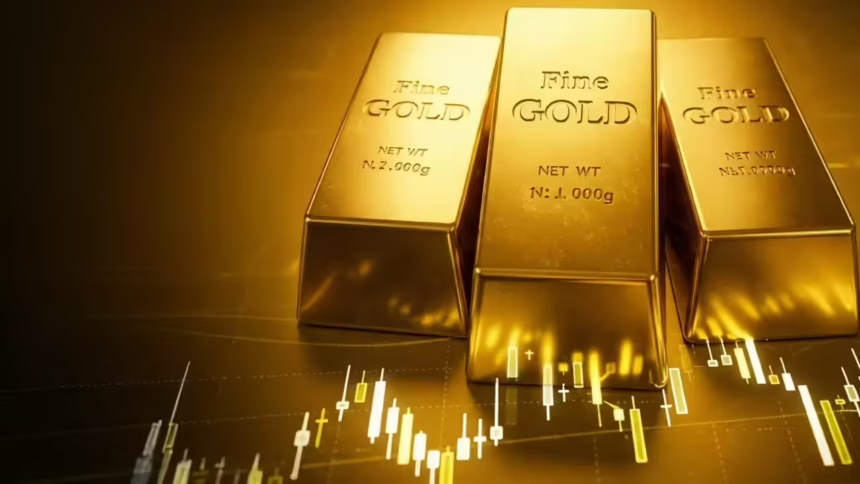
Gold prices in India have made a noticeable comeback after several sessions of decline, bringing some relief to investors, traders, and jewellery buyers. After last week’s sharp correction, the precious metal has gained for the second consecutive day, suggesting renewed strength in the market.
This rebound comes amid global economic uncertainty, renewed investor interest, and shifting market dynamics. If you are planning to invest in gold or buy jewellery soon, understanding what is driving these price changes can help you make better decisions.
Here is a simple and clear breakdown of the latest gold prices, reasons behind the recent rise, city-wise rates, global influences, and what experts expect next.
Gold Prices in India Today
According to the latest market data on February 5, gold prices in India are currently:
24-carat gold: Rs 15,945 per gram
22-carat gold: Rs 14,616 per gram
18-carat gold: Rs 11,959 per gram
These prices reflect a modest recovery after last week’s fall. While the rise may seem small, it signals improving sentiment among investors who see gold as a reliable store of value during uncertain economic periods.
Gold has traditionally been viewed as a safe asset, especially during inflation, geopolitical tensions, or financial instability. Whenever uncertainty rises, investors often shift toward gold, pushing prices upward.
Why Gold Prices Are Rising Again
Safe-haven demand returning
One of the biggest reasons behind the recent rise is growing global economic uncertainty. Investors tend to move toward safer assets like gold when stock markets fluctuate, inflation rises, or geopolitical tensions increase.
Gold acts as a financial cushion. When confidence in other assets drops, demand for gold typically increases.
Profit booking after the recent fall
Last week’s sharp decline encouraged many buyers to re-enter the market. Investors who missed earlier rallies saw the dip as an opportunity to buy gold at comparatively lower prices.
This buying activity naturally pushed prices higher again.
Inflation concerns still present
Persistent inflation in several global economies is another factor supporting gold prices. Gold historically performs well when inflation rises because it helps preserve purchasing power over time.
Geopolitical uncertainty
Ongoing global tensions, trade concerns, and economic policy changes also play a role. Whenever uncertainty increases worldwide, gold demand often strengthens.
Performance on the Commodity Market
Gold also showed positive momentum on the Multi Commodity Exchange. By Thursday morning, 24-carat gold was trading around Rs 1,53,390 per 10 grams, up slightly from the previous session.
Interestingly, earlier trading saw gold touching an all-time high near Rs 1,80,779 per 10 grams. This sharp fluctuation highlights how volatile the bullion market has become recently.
Such volatility is not unusual in precious metals markets, especially when global economic signals are mixed.
Gold Rates Across Major Indian Cities
Gold prices vary slightly across cities due to transportation costs, local taxes, and demand patterns. Here are approximate rates for 10 grams across key cities:
Delhi: 24K Rs 159600, 22K Rs 146310, 18K Rs 119740
Mumbai: 24K Rs 159450, 22K Rs 146160, 18K Rs 119590
Kolkata: 24K Rs 159450, 22K Rs 146160, 18K Rs 119590
Chennai: 24K Rs 162570, 22K Rs 149010, 18K Rs 127510
Patna: 24K Rs 159500, 22K Rs 146210, 18K Rs 119640
Lucknow: 24K Rs 159600, 22K Rs 146310, 18K Rs 119740
Ahmedabad: 24K Rs 159500, 22K Rs 146210, 18K Rs 119640
Pune: 24K Rs 159450, 22K Rs 146160, 18K Rs 119590
Bhopal: 24K Rs 159500, 22K Rs 146210, 18K Rs 119640
Hyderabad: 24K Rs 159450, 22K Rs 146160, 18K Rs 119590
Bengaluru: 24K Rs 159450, 22K Rs 146160, 18K Rs 119590
Southern cities like Chennai often show slightly higher rates due to strong jewellery demand and regional market factors.
How Global Markets Influence Gold Prices
Gold prices in India are closely tied to international market movements. Several global factors affect domestic rates:
Dollar strength
Gold is priced internationally in US dollars. When the dollar strengthens, gold can become costlier for other countries, influencing local prices.
International demand
Demand from major economies, central bank buying, and global investment trends directly impact gold rates worldwide.
Interest rate changes
Higher interest rates sometimes reduce gold demand because investors shift to interest-bearing assets. Lower rates often boost gold attractiveness.
Commodity exchange movements
Recent trading on global exchanges saw gold briefly surge before profit booking caused prices to slip again. Such fluctuations reflect ongoing uncertainty in financial markets.
Seasonal Demand and Its Impact
India’s cultural and seasonal demand plays a significant role in gold pricing. Wedding seasons, festivals, and auspicious buying periods often drive higher demand.
Key demand periods include:
Wedding seasons across India
Festivals like Diwali, Dhanteras, and Akshaya Tritiya
Year-end gifting and investment cycles
When demand increases during these periods, prices can rise further, even if global markets remain stable.
What Market Experts Are Saying
Market analysts believe the recent rebound is supported by strong global trends rather than just short-term buying.
Experts point out that investors are returning to precious metals after last week’s heavy selling. Many see gold as a hedge against economic uncertainty and inflation risks.
Some analysts also suggest that volatility may continue in the near term, meaning prices could fluctuate before establishing a clear trend.
Should You Buy Gold Now?
This is a common question for both investors and jewellery buyers. The answer depends on your purpose:
For investment
Gold can help diversify a portfolio and act as a long-term safety asset. However, short-term price swings are common.
For jewellery purchase
If buying for personal use or upcoming events, small price differences may not matter much over time.
For trading
Traders should watch global cues, inflation data, and interest rate signals carefully.
Experts generally advise avoiding panic buying or selling and instead focusing on long-term financial goals.
Things to Consider Before Buying Gold
Check purity certification
Compare prices across sellers
Consider making charges for jewellery
Track daily price trends
Understand investment horizon
Being informed helps avoid impulsive decisions during volatile market phases.
Future Outlook for Gold Prices
The outlook for gold remains cautiously optimistic. Factors that may influence prices ahead include:
Global inflation trends
Central bank policies
Economic growth data
Currency fluctuations
Geopolitical developments
If uncertainty continues globally, gold demand is likely to remain strong. However, sudden corrections are always possible in commodity markets.
Final Thoughts
Gold’s recent rebound highlights its enduring appeal as a safe and reliable asset. While last week’s decline worried investors, the current recovery suggests continued confidence in gold as both an investment and cultural asset in India.
Whether you are an investor, trader, or jewellery buyer, staying updated on market trends, global cues, and seasonal demand patterns can help you make smarter decisions.
Gold prices may fluctuate in the short term, but their long-term importance in financial security and cultural traditions remains strong.


