Delhi Plans Massive Daily Road Cleaning Drive to Tackle Dust Pollution
In a major push to fight air pollution, the Delhi government has unveiled an ambitious plan to clean nearly 2,800 kilometres of city roads every day using electric-powered machines. The project, which will cost around ₹1,487 crore over the next 10 years, aims to reduce road dust, one of the biggest contributors to Delhi’s poor air quality.
Officials said the plan focuses on cleaning major roads regularly, using modern equipment that does not add to pollution, while ensuring better coordination between departments responsible for road maintenance.
Why Road Dust Is a Big Problem in Delhi
A Major Source of Air Pollution
Road dust is one of the leading causes of air pollution in Delhi, especially during dry months. Studies have shown that dust can contribute up to 25% of the city’s polluted air. This dust mostly consists of PM10 particles, which are heavy but extremely harmful to human health.
These particles enter the lungs and can cause breathing problems, asthma, and other respiratory illnesses. Potholes, broken footpaths, unpaved stretches, and poorly maintained roads worsen the problem by releasing more dust into the air.
Why Regular Cleaning Matters
Without frequent cleaning, dust settles on road surfaces and gets stirred up again by traffic. Regular mechanical sweeping and water sprinkling help remove this dust before it becomes airborne, making daily road cleaning an important step toward cleaner air.
How the New Road Cleaning Plan Will Work
City Divided Into Three Zones
According to the masterplan prepared by the Delhi government, the city will be divided into three zones for efficient implementation: North, South, and East Delhi.
Each zone will have its own cleaning targets, machinery, and budget allocation to ensure smoother operations and better accountability.
Budget Allocation Across Zones
Out of the total ₹1,487 crore budget, around ₹564.6 crore will be spent in the North zone, ₹465 crore in the South zone, and ₹385 crore in the East zone. The remaining amount will cover overall operational and administrative costs.
Officials said the funds will be used for purchasing equipment, hiring operators, maintenance, and running daily cleaning operations over the next decade.
Shift From Diesel to Electric Machines
All-Electric Fleet Approved
Initially, the project had planned to use diesel and CNG-based vehicles. In May 2025, the Delhi cabinet approved ₹1,230 crore for this earlier version of the plan. However, the government later decided to switch entirely to electric vehicles to avoid adding to pollution.
As a result, the project cost increased to ₹1,487 crore, reflecting the higher upfront investment needed for electric machinery.
Machines to Be Deployed
The city will deploy 70 electric mechanical road sweepers, six electric water tankers, 24 electric dust dumping vehicles, and 140 litter picker machines. These machines will work together to ensure thorough and efficient cleaning.
Officials said the use of electric vehicles aligns with Delhi’s larger push toward cleaner transport and sustainable infrastructure.
Focus on Major PWD Roads
Cleaning 1,410km of Wide Roads
The machines will mainly be deployed on 1,410 kilometres of arterial roads that are wider than 60 feet and maintained by the Public Works Department. These roads carry heavy traffic and contribute significantly to dust pollution.
The government has set a target of cleaning at least 2,800 kilometres of road lanes every day. This means that all PWD roads will be cleaned once every two days.
Global Tenders to Be Issued
To ensure quality and transparency, global tenders will be issued separately for each zone. Contractors will be responsible for meeting daily cleaning targets and maintaining the machinery.
Officials said performance monitoring systems will be put in place to ensure that contractors stick to the schedule and standards.
How the Machines Will Work Together
Step-by-Step Cleaning Process
The cleaning process will begin with electric mechanical road sweepers removing dust, sand, and debris from the road surface. After sweeping, litter picker machines will collect the loosened waste.
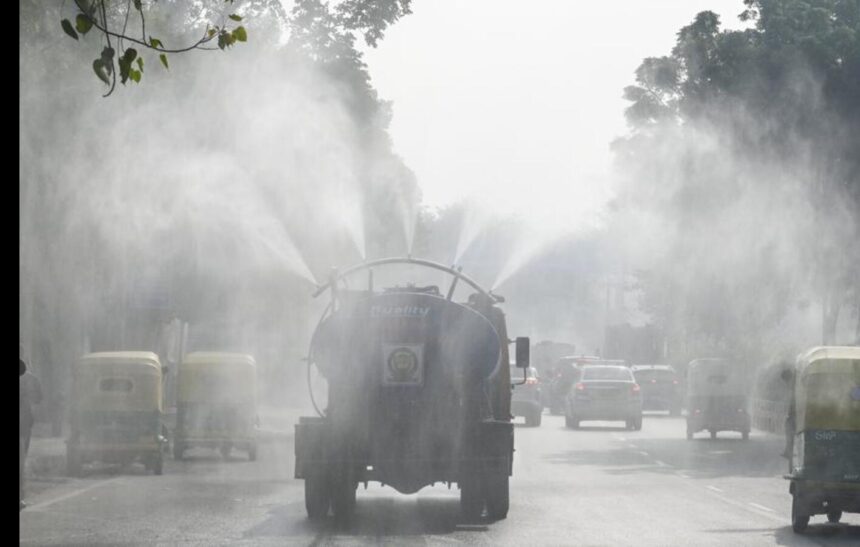
Dust dumping vehicles will then transport the collected dust to designated disposal sites. Finally, electric water tankers and anti-smog guns will sprinkle water to ensure that fine dust particles are settled and do not rise again.
Deep Cleaning to Reduce PM10 Levels
By combining sweeping, litter picking, and water sprinkling, the government aims to achieve deep cleaning of roads. This approach is expected to significantly reduce PM10 levels, especially in high-traffic areas.
Reducing Dependence on MCD Machinery
Current System Has Limitations
At present, mechanical road sweepers operated by the Municipal Corporation of Delhi are also used to clean PWD roads wider than 60 feet. This arrangement has often stretched MCD resources and led to uneven cleaning.
PWD does not currently own its own mechanical road sweeping machines, which has made it dependent on MCD for maintaining major roads.
A Dedicated System for PWD Roads
With this new project, PWD will have its own dedicated fleet of road cleaning machines. Officials believe this will improve efficiency and allow MCD to focus on cleaning smaller municipal roads.
Machine Distribution Across Zones
Zone-Wise Deployment Plan
Under the masterplan, 28 electric mechanical road sweepers will be deployed in the North zone, 23 in the South zone, and 19 in the East zone.
After sweeping, 56 litter picker machines will operate in the North zone, 46 in the South zone, and 38 in the East zone. In addition, 24 dust dumping vehicles will serve all three zones to transport collected waste.
Ensuring Daily Coverage
This distribution has been designed to ensure that cleaning targets are met every day without overburdening any single zone.
Health and Environmental Benefits
Cleaner Roads, Cleaner Air
By targeting road dust, the Delhi government hopes to address one of the root causes of air pollution rather than relying only on emergency measures during pollution spikes.
Cleaner roads mean less dust in the air, improved visibility, and better overall air quality, especially during winter months.
Long-Term Impact on Public Health
Reducing PM10 pollution can have a direct impact on public health. Lower exposure to dust particles can help reduce cases of respiratory illness, allergies, and other pollution-related diseases.
A Long-Term Investment in Cleaner Delhi
Ten-Year Vision
The ₹1,487 crore project is planned over a 10-year period, reflecting the government’s intention to create a sustainable and permanent solution rather than a short-term fix.
Officials said the success of the project will depend on consistent implementation, regular monitoring, and coordination between agencies.
A Step Toward Sustainable Urban Living
With its focus on electric machinery, daily cleaning, and pollution control, the initiative represents a significant step toward making Delhi a cleaner and healthier city.
If implemented effectively, the project could become a model for other Indian cities struggling with road dust and air pollution.