Delhi Wakes Up to Another Morning of Toxic Air
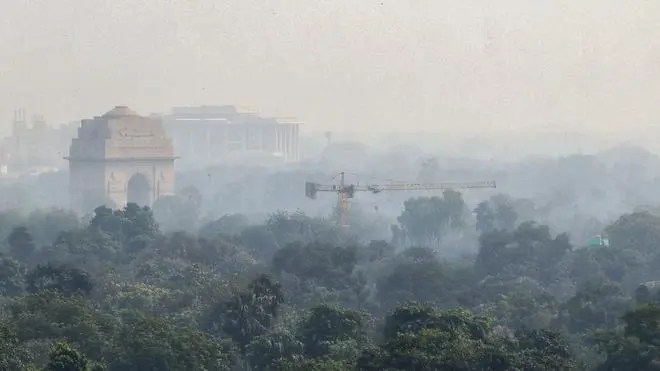
Delhi residents began their Monday under a thick blanket of smog as air pollution remained in the severe category for the third consecutive day. The city’s skyline was barely visible, roads looked hazy, and breathing outdoors felt uncomfortable for many.
Early morning readings showed the Air Quality Index touching extremely dangerous levels across most parts of the capital. With visibility dropping sharply and flights facing delays, the pollution crisis once again disrupted daily life in Delhi.
AQI Remains in Severe Zone Across the Capital
Pollution Levels Touch Alarming Numbers
By 6 am, Delhi’s overall AQI stood at 457, placing it firmly in the severe category. At these levels, even healthy individuals can experience breathing difficulty, while children, elderly people, and those with respiratory conditions face serious health risks.
Since the AQI scale caps readings at 500, experts warn that actual pollution exposure may be even worse at certain hours, especially during the early morning when air circulation is minimal.
Several Areas Hit Maximum AQI of 500
The situation worsened over the weekend, and by Monday morning, multiple air quality monitoring stations recorded the highest possible AQI reading of 500.
Among the worst-affected areas were Ashok Vihar, Jahangirpuri, Rohini, and Wazirpur, all of which touched the maximum limit. Other pollution hotspots such as Anand Vihar, Vivek Vihar, Punjabi Bagh, Okhla Phase-2, Patparganj, and North Campus also reported extremely high levels, hovering close to the danger mark.
Out of 39 monitoring stations in Delhi, 38 reported air quality in the severe or severe-plus category at different points, highlighting how widespread the problem has become.
What Do Severe and Severe-Plus AQI Levels Mean?
Understanding the Risk
Air quality is classified as moderate between AQI 101 and 200, poor between 201 and 300, and very poor between 301 and 400. Any reading above 400 is considered severe.
When AQI crosses 450, it is treated as severe-plus, triggering the highest level of emergency response measures. At this stage, prolonged outdoor exposure can cause serious health issues, including lung inflammation, aggravated asthma, and cardiovascular stress.
With several areas touching or exceeding this threshold, Delhi is currently facing one of its most dangerous pollution episodes of the season.
Visibility Plunges, Flights Affected
Dense Smog Disrupts Air Travel
The thick smog also led to sharply reduced visibility across the city. At Indira Gandhi International Airport, visibility dropped to as low as 50 metres around 7 am, making landing and take-off operations challenging.
Airlines and airport authorities issued advisories warning passengers of possible delays and disruptions. Several travelers reported flight delays, adding to the frustration caused by the pollution-heavy morning.
Fog and Smog Blanket the City
Videos and visuals from different parts of Delhi showed roads, flyovers, and residential areas engulfed in dense haze. Areas such as Barakhamba Road, Akshardham, and Bawana appeared almost unrecognisable under the thick smog.
Low visibility also slowed down road traffic, forcing drivers to move cautiously during peak morning hours.
Weather Conditions Making Pollution Worse
Low Wind Speed Traps Pollutants
Experts say unfavourable weather conditions are a major reason behind the persistent severe air quality. Very low wind speeds over the past few days have prevented pollutants from dispersing, allowing them to accumulate over the city.
A western disturbance affecting the region has weakened air movement since Friday, creating conditions where pollution simply hangs over Delhi instead of being carried away.
Delhi’s Geography Adds to the Problem
Delhi’s basin-like topography plays a significant role during winter. As temperatures drop, cold air settles near the ground and gets trapped beneath warmer air layers above. This phenomenon prevents pollutants from rising and dispersing.
With no rainfall and sluggish winds, pollutants from vehicles, construction activity, and other local sources remain concentrated close to the surface, leading to dangerously high AQI levels.
Is Stubble Burning Still a Major Factor?
Crop Burning Impact Has Reduced
While stubble burning often gets blamed for Delhi’s winter pollution, experts note that its impact has reduced significantly this year. The crop burning season in Punjab and Haryana is nearly over, and official data shows a substantial drop in such incidents.
This suggests that local factors such as vehicular emissions, road dust, and construction activity are currently the dominant contributors to the pollution crisis.
Health Impact on Residents
Breathing Becomes a Daily Struggle
Doctors warn that prolonged exposure to such toxic air can cause coughing, throat irritation, shortness of breath, and chest discomfort. People with asthma, heart disease, or other respiratory issues are at higher risk and may see their symptoms worsen.
Children and elderly residents are particularly vulnerable, as their bodies are less equipped to handle high pollution levels.
Precautions Residents Are Advised to Take
Health experts recommend avoiding outdoor activities, especially during early morning and late evening hours. Wearing masks, keeping windows closed, and using air purifiers indoors can help reduce exposure.
Schools and offices may also reconsider outdoor activities until pollution levels improve.
What Lies Ahead for Delhi’s Air?
Little Immediate Relief in Sight
Weather forecasts suggest that pollution levels may remain in the severe range over the next few days due to continued low wind speed and lack of rainfall. Without a significant change in weather patterns, air quality is unlikely to improve quickly.
Authorities continue to monitor the situation and may implement stricter measures if conditions worsen further.
A Familiar Winter Crisis
Delhi’s pollution problem has once again highlighted the city’s vulnerability during winter months. Every year, residents brace themselves for weeks of toxic air, disrupted travel, and health concerns.
While emergency measures offer temporary relief, long-term solutions remain critical to prevent such severe episodes from becoming a regular part of city life.
Final Thoughts
For now, Delhi remains under a cloud of smog, with residents hoping for stronger winds or rain to bring relief. As the city endures its third straight day of severe air quality, the pollution crisis serves as another reminder of the urgent need for sustainable solutions.
Until conditions improve, caution, awareness, and collective responsibility remain essential for navigating daily life in the capital.