The Delhi Jal Board, in a major initiative to upgrade and modernize the city’s water supply and sewage network, has sanctioned ₹735 crore. The investment will be utilized in 68 assembly constituencies for big development works and much-needed maintenance of the infrastructure in older and densely populated localities. This comes at a time when Delhi continues to grapple with recurring issues like water scarcity, leaking pipelines, sewage overflows, and contamination in residential supply lines.
According to the officials, out of the total allotment, ₹408.95 crore will be utilized for major schemes such as laying new pipelines, increasing water treatment capacity, and providing new underground reservoirs. The remaining ₹326 crore will be spent on system improvement, including desilting of sewer lines, repair of old and damaged pipelines, and upgrade of drainage systems in flood-prone areas.
An Age-Old Urban Problem
Delhi’s water and sewage infrastructure has perennially fallen behind its rapid population growth. While the city’s population has dramatically increased in the past twenty years, much of the underground network, which is decades old, has deteriorated under increasing pressure.
Most neighborhoods, especially in East and South Delhi, depend on old, narrow pipelines that are more susceptible to leakage and blockades. These not only lead to loss of water but can also result in contamination when sewage lines and drinking water pipes run parallel and cracks appear. Seasonal flooding during the monsoons further exposes the fragility of the system, especially in areas prone to slow drainage.
What the New Investment Covers
The planned up-gradation by DJB is designed to bridge this gap in a structured and phased manner, and includes the following:
The Expansion of Pipeline Network
Several under-served and unauthorised colonies will finally get upgraded water pipelines, which are needed for fair distribution of water. This becomes necessary since residents in such localities have to depend on tanker supply.
Modern Sewage Treatment Facilities
New sewage treatment units and renovations at existing plants will increase the capacity to treat wastewater before release into the Yamuna. Untreated sewage remains one of the biggest contributors to pollution in the river.
Reservoir Expansion
Supply pressure and reliability will be improved by the construction of new Underground Reservoirs and booster pumping stations, especially during peak hours.
Pipeline Repairs and Replacements
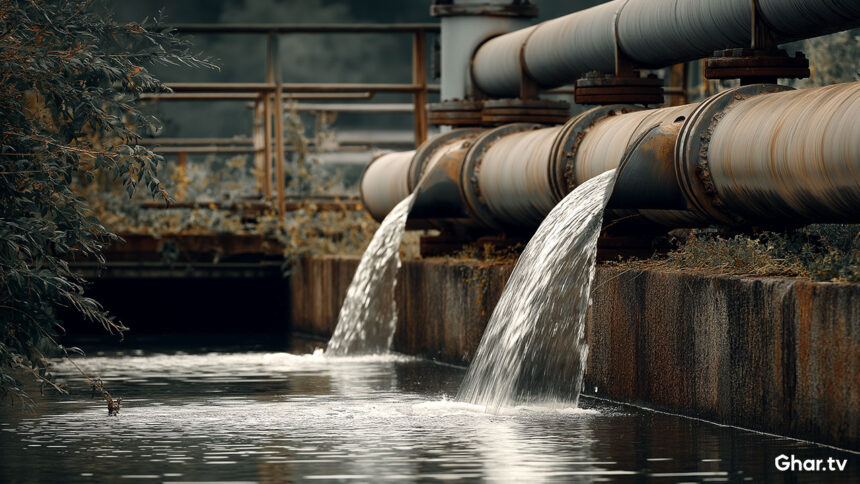
Pipelines that have grown old, rusted, and damaged will be replaced to minimize leakage and contamination. According to officials, leakage reduction alone can save millions of litres of potable water daily.
Sewer Line Desilting and Rehabilitation
Large-diameter sewer pipelines will be mechanically desilted with modern machinery, reducing the occurrence of blockages and resultant overflows, especially during rainy seasons.
Integration of Technology in Sewer Inspection
The PWD and DJB are increasingly incorporating robotic CCTV inspection technology into the system to minimize hazardous manual intervention in its management. Equipped with cameras and lights, robotic sewer crawlers can move inside large pipelines, detecting blockages, cracks, and structural weaknesses without human entry. This is a move toward higher safety and accuracy of sewer maintenance, a subject that has always been sensitive due to multiple sewer-related worker fatalities in the past.
Improving Water Supply and Sustainability
While infrastructure upgrades are crucial, the long-term supply of water in Delhi remains closely tied to better groundwater management and water reutilization. The government plans to extend the use of treated wastewater for industrial and horticulture needs, which will alleviate the burden on potable supply. Rainwater harvesting systems should be encouraged more vigorously across both public and private establishments.
Environmental experts point out that infrastructure investment needs to be accompanied by policy implementation, especially regarding illegal borewells and the protection of wetlands and natural recharge areas.
What This Means for Residents
These initiatives promise the following for the citizens:
More reliable drinking water supply
Reduced pipeline contamination incidents
Faster drainage, fewer sewage overflows Less dependence on water tankers Improved neighbourhood sanitation levels However, residents may also experience short-term disruption during construction and repair works. A Step Toward a More Resilient Urban Future Delhi’s problems in water and sewage management are inextricably linked and multifaceted. However, this ₹735 crore investment marks a long-needed change toward proactive and sustainable planning of infrastructure. If well-executed and backed by adequate public participation and community awareness, these upgrades would substantially improve the city’s water security and environmental health over the next few years.