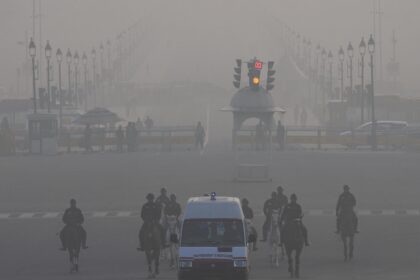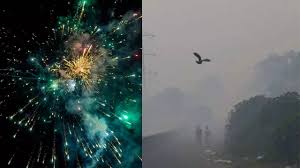
Delhi is facing a spate of respiratory ailments in the aftermath of the recent Diwali festive season, with hospitals witnessing a 30% hike in patients with breathing difficulties, asthma attacks, and other respiratory conditions. Doctors blame the sharp escalation on the residual impact of firecracker smoke added to the city’s perennial air pollution issue.
Surge in Respiratory Cases
Medical centres in the capital city, especially in localities like Anand Vihar, Dwarka, and Mehrauli, have registered a significant increase in patients reporting shortness of breath, wheezing, cough, and throat irritation. The spike, according to AIIMS and big city hospitals’ doctors, is in keeping with the seasonal post-Diwali trend but seems more marked this season because of long-lasting smog and particulate matter hanging in the atmosphere.
Dr. Meera Singh, a pulmonologist at AIIMS, clarified, “We are witnessing an unprecedented number of patients with exacerbated asthma and chronic obstructive pulmonary disease (COPD). Even healthy people without any history of respiratory issues are complaining of severe unease. The firecracker smoke’s fine particulate matter (PM2.5) reaches the lungs deep down, inducing inflammation and difficulty in breathing.”
Role of Firecracker Smoke and Pollution
The Diwali festivities, which involved widespread bursting of firecrackers, have gone a long way in causing the increase in air pollution. The fine particulate matter (PM2.5 and PM10) emitted during the festival combines with already present urban polluters like automobile exhaust, dust, and industrial smoke, forming thick smog that lasts for days.
On the basis of data provided by the Central Pollution Control Board (CPCB), the air quality index (AQI) of Delhi stayed in the “poor” zone for a number of consecutive days after Diwali. Both Anand Vihar and Ashok Vihar witnessed PM2.5 readings of more than 350 µg/m³, which is far beyond the safety limit of 60 µg/m³. Inhalation of air of such high intensity can cause asthma attacks, bronchitis, and other respiratory issues.
Vulnerable Populations
The elderly people, children, and even those with prior respiratory issues are most susceptible to post-Diwali air pollution. Pediatricians at Safdarjung Hospital cite a 25% rise in admissions of children with wheezing and shortness of breath compared to last month. Likewise, elderly citizens with cardiovascular and respiratory problems are noticing aggravation in their symptoms due to long exposure to contaminated air.
Dr. Ramesh Kumar, who is the department head of respiratory at Fortis Hospital, underlined, “Even temporary exposure to high pollution can be responsible for decreased lung capacity and worsening of chronic diseases. It is important that citizens adopt preventive measures like wearing masks, air purifiers, and refraining from going out in peak pollution times.”
Government and Civic Response
As a measure of mitigation, Delhi Pollution Control Committee (DPCC) and municipal authorities have asked citizens to reduce outdoor exposure, especially in the morning and evening when pollution levels are highest. Schools in various locations have shifted timings, and public health alerts have been issued asking people to wear masks, limit outdoor physical activity, and keep a close eye on susceptible people.
The local government is also focusing on long-term solutions, such as tighter controls on firecracker sales, popularization of green alternatives, and additional green cover to reduce particulate matter.
Public Awareness and Preventive Measures
Health experts advise residents to keep observing air quality reports on a daily basis and exercise precautions to guard their respiratory well-being. The simplest strategies like wearing N95 masks, hydration, closing windows during smog-prone hours, and employing indoor air cleaners can go a long way in minimizing exposure to dangerous pollutants.
The increased respiratory problems that follow Diwali are a grim reminder of the health effects of city pollution augmented by festival emissions. Though festivities are an integral part of their culture, experts appeal to the people to use safer, greener methods for cultural revelry as well as public health security.