In a keen move towards simplifying traffic regulation in the national capital, Neeraj Thakur, a 1994-batch Indian Police Service (IPS) officer, has been named the new Chief of Delhi Traffic Police. The appointment is as part of the Delhi Police’s move to implement a single command structure and deal with the increasing issues of traffic jams, road safety, and enforcement in the fast-growing city.
Background of the New Chief
Neeraj Thakur, who is renowned for his rich experience in police law enforcement and administration management, has before now occupied a number of strategic offices in Delhi Police, including within the Crime Branch, Special Cell, and district police commands. Throughout his nearly three decades of service, he has been acclaimed for introducing innovative solutions to enhance operational effectiveness and public outreach.
A top official of Delhi Police observed, “Thakur has a rich experience and an established track record of leadership. His posting as Traffic Chief is likely to inject coherence and dynamic management in the city’s intricately entwined traffic system.”
Challenges Facing Delhi Traffic Police
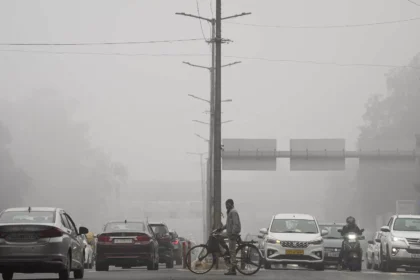
Delhi, with a population of more than 20 million and an increasingly large number of vehicles, continues to face challenges in traffic management. Congestion on roads, accidents, and traffic rule violations have turned into a pressing concern for residents and policymakers. Delhi reports more than 1,500 road accidents every month, as per recent statistics, with most of these occurring due to injuries or fatalities.
The Traffic Police has the responsibility not only to enforce traffic regulations but also to administer road safety consciousness campaigns, install intelligent traffic management systems, coordinate emergency response at the time of accidents, and ensure smooth flow at major public events. The centralized leadership under Thakur is likely to improve coordination between different traffic units, such as road safety squads, patrol teams, and accident response teams.
Areas of Focus for the New Chief
Neeraj Thakur is expected to concentrate on a number of top priorities:
Reduction in Traffic Congestion: Maximizing traffic flow through dense areas, installing smart traffic signals, and adopting adaptive management systems.
Road Safety Campaigns: Enhancing public awareness programs for lowering road accidents, such as school and community outreach programs.
Strict Enforcement: Enforcing strict controls on traffic offenses, such as speeding, drunken driving, and unauthorized parking, to ensure adherence to road safety rules.
Use of Technology: Extending the use of CCTV surveillance, computerized challan systems, and AI-based traffic monitoring to ensure greater efficiency and accountability.
Disaster and Emergency Management: Focusing on increasing preparedness to respond to accidents, emergencies, and mass events with minimal traffic disruption.
Reactions of Officials and Public
The appointment has been hailed by top officials and civic leaders, who view it as a move to enhance operational effectiveness and accountability in the Traffic Police. The Lieutenant Governor’s office and the Delhi Transport Department have shown hope that the new leadership will tackle chronic traffic problems and encourage improved coordination among city departments.
Residents themselves have also voiced guarded optimism. Social media and local media have reported that people expect concrete steps, especially in peak hours and at crowded areas like Connaught Place, Dwarka, and Rohini.
Looking Ahead
With Delhi still growing, the Traffic Police Chief’s role is crucial in order to provide smooth and safe mobility for citizens. Thakur’s appointment signifies a conscious attempt to make experienced leadership available, bringing strategic planning along with operational rigor to the top.
With command unified, officials hope to have tangible gains in traffic management, fewer accidents, and greater compliance with road safety laws. Officers who report to Thakur are likely to have a data-centric approach, using technology and intelligence to predict hotspots of congestion, respond quickly to accidents, and generally ensure public safety on the city roads.
The next few months will be eagerly watched by both the government and citizens as Delhi Traffic Police, led by Neeraj Thakur, is looking to create a milestone for urban traffic in one of the world’s most populous cities.