Mild Earthquake Shakes Delhi: What Residents Felt and What You Should Know
A mild earthquake rattled Delhi on Monday morning, sending a ripple of surprise across the city. According to the National Center for Seismology (NCS), the tremor measured magnitude 2.8, with its epicentre located in North Delhi at a shallow depth of 5 kilometres. Though the quake lasted only a few seconds, it reminded residents that Delhi lies in a seismically active zone and occasional tremors are part of life in the national capital.
When and Where the Earthquake Struck
The earthquake occurred at 8:44 am IST, shaking several parts of North Delhi. The NCS reported the exact coordinates as 28.86 N latitude and 77.06 E longitude, placing the epicentre in the densely populated urban area. While minor tremors were felt in nearby neighbourhoods, there were no immediate reports of damage or casualties.
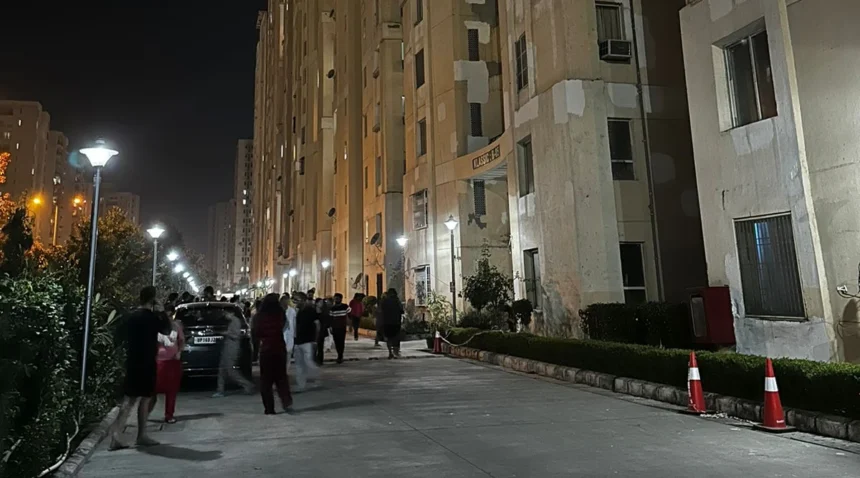
Residents described a brief swaying of buildings and rattling windows. Many stepped outside for safety, while others paused their morning routines to check on family and neighbours.
Delhi’s Seismic History
Delhi is located in Seismic Zone IV, one of the most active earthquake zones in India. While the city has seen many low-intensity tremors in recent years, major earthquakes are rare. Data from the US Geological Survey shows that Delhi has not experienced a quake above magnitude 5 in the last ten years.
In 2022, a magnitude 4.1 tremor struck nearby Haryana. Though it was shallow, the quake caused minor shakes but no serious damage. Similarly, on January 13, 2026, Uttarakhand experienced a magnitude 3.5 earthquake near Bageshwar district. The epicentre was close to Kapkot town, about 30 kilometres from the district headquarters. Residents rushed out of their homes, but authorities reported no injuries or property loss.
Experts note that shallow earthquakes like the ones in Delhi and Uttarakhand tend to be more noticeable but rarely cause major destruction unless the magnitude is higher.
Why Delhi Feels Earthquakes More
Several factors make Delhi particularly sensitive to tremors:
- Urban density: Tall buildings and crowded neighbourhoods amplify the sensation of shaking.
- Shallow depth: The recent quake occurred at just 5 km below ground, making tremors more noticeable on the surface.
- Soft soil areas: Parts of Delhi are built on soft alluvial soil, which can increase the intensity of shaking.
Even mild tremors can feel alarming, especially in densely populated areas.
Safety Tips for Residents
While small earthquakes are generally harmless, experts emphasize the importance of preparedness:
- Identify safe spots indoors: Take cover under sturdy furniture or against interior walls.
- Have emergency supplies: Keep water, food, a first-aid kit, and essential medications handy.
- Stay calm: Avoid rushing outside immediately, as debris may fall during tremors.
- Plan evacuation routes: Know safe exits and meeting points for family members.
- Check infrastructure: Ensure tall furniture and heavy objects are secured to prevent accidents.
These simple precautions can make a big difference in preventing injuries during even minor tremors.
The Role of Monitoring Agencies
Ahead of the marathon season and during other large public gatherings, authorities pay extra attention to air quality and safety, including monitoring for earthquakes. The Brihanmumbai Municipal Corporation (BMC) and the Maharashtra Pollution Control Board (MPCB) recently deployed mobile air-quality monitoring vans along event routes. Similarly, seismology centers like NCS provide real-time updates to residents when tremors occur.
Modern monitoring tools allow authorities to track earthquakes, assess risks, and issue advisories promptly, helping reduce panic and improve public response.
Understanding Magnitude and Impact
Magnitude measures the energy released by an earthquake, while intensity measures how strongly it is felt at a specific location. Monday’s quake had a low magnitude of 2.8, meaning it released minimal energy. Tremors of this size usually cause no structural damage but are strong enough to be felt, especially in high-rise buildings.
By contrast, a magnitude 5 or 6 quake can cause more noticeable damage, depending on the area’s infrastructure and soil type.
What Residents Felt During the Tremor
Witnesses described the tremor as a quick, swaying motion. Furniture rattled slightly, and some people reported hearing a low rumbling sound. While it lasted only a few seconds, the brief shake served as a reminder of Delhi’s seismic vulnerability.
One local resident said, “It felt like the building swayed for a moment. I ran outside with my children, but everything was calm after a few seconds. It was surprising, but not scary.”
Preparing for the Future
Experts stress that Delhi residents should treat even minor quakes as an opportunity to review earthquake preparedness. This includes checking safety measures at home, workplaces, and schools, and making sure everyone knows basic emergency protocols.
Urban planners and local authorities also emphasize earthquake-resistant construction practices, which reduce risks in a city with growing population density and high-rise buildings.
Takeaways
- Delhi experienced a mild 2.8 magnitude earthquake on 19 January 2026, with the epicentre in North Delhi.
- The tremor occurred at a shallow depth of 5 km, making it noticeable but causing no reported damage.
- Delhi lies in Seismic Zone IV, meaning minor earthquakes are relatively common, while major quakes are rare.
- Residents are advised to prepare for earthquakes with safety plans, emergency supplies, and secure living spaces.
- Monitoring agencies provide timely updates, helping ensure safety during such events.
Monday’s quake may have been brief, but it serves as a reminder that Delhi is an earthquake-prone city. While the tremor caused little disruption, awareness, preparation, and calm response remain essential for every resident.