The Supreme Court of India has said no to bail for activists Umar Khalid and Sharjeel Imam. This is about the riots that happened in northeast Delhi in 2020. The court made this decision because of a serious law called the Unlawful Activities Prevention Act. The court is being very careful about who it lets out on bail when it comes to national security issues. The Supreme Court of India is taking a look, at the case of Umar Khalid and Sharjeel Imam and the 2020 northeast Delhi riots.
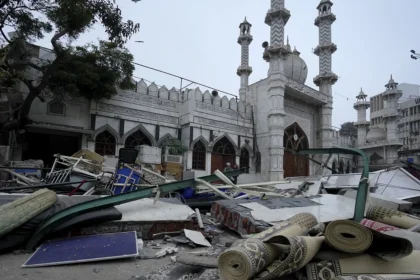
The riots that happened in February 2020 were very bad. They caused than 50 deaths and a lot of damage to public and private property in northeast Delhi. The police say that the violence was not a random event but it was planned as part of a bigger scheme to cause trouble and disrupt public order during the protests against the Citizenship Amendment Act. The police think that Umar Khalid and Sharjeel Imam were people in this scheme. They gave speeches. Helped organize protests that made the violence worse according to the people investigating the riots. The protests were, against the Citizenship Amendment Act and Umar Khalid and Sharjeel Imam are accused of making things worse by what they did.
The Supreme Court was listening to the bail pleas. They had to see if the accusations were serious enough to be considered under the UAPA law. This law makes it hard to get bail if the court thinks there is a case against the person.
The judges said that at this point they do not need to look at all the evidence or decide if someone is guilty. They just need to see if the allegations seem true based on the information they have.
The court thought that the evidence the prosecution gave could not be ignored. The Supreme Court and the UAPA law are important, in this decision. The UAPA law has rules that the Supreme Court must follow.
The high court made a decision, about the case and some people who were also accused got out of jail. The judges said that they look at each person separately when they decide if they should get out of jail. They think about what that person’s supposed to have done what people are saying about them and what proof there is against them. For Khalid and Imam the court saw that the other side was using things they said in public what witnesses told them and things they found on computers and phones to say that Khalid and Imam were involved in planning protests that got out of hand and became violent.
The defence teams said that the person who is accused had been in jail for a long time and the trial was not moving forward. They also said that the evidence against the accused was mainly speeches and opinions that disagreed with others and these are allowed by the Constitution. The defence teams thought that keeping the accused in jail was like punishing them before they were even found guilty and this was not fair to the accused. The defence teams believed that this was taking away the accuseds right to be free.
The court did not agree with the defence teams. The court said that the accusations, against the accused were very serious and the rules of the law meant that the court did not have the power to let the accused out of jail on bail at this time.
The decision has started a discussion about civil liberties and national security laws. People who support the person who was accused do not like that they were kept in jail for a time and that it is very hard to get bail under the UAPA law. They want the law to be changed. On the hand the people who are against the accused and support the decision think that cases where a lot of people may be involved in something bad and where there may be violence, between different communities need to be handled carefully so that everyone stays safe. The national security laws and civil liberties are still being talked about.
The Supreme Court made a decision. It does not say anything about who is right or wrong in the case. The Supreme Court order is, about what happens next. The case will still go to the trial court. The trial court will listen to evidence. Talk to witnesses. They will decide if the accused people are guilty or not guilty. They have to follow the law when they make this decision.
The people who are accused of something can still ask to be let out of jail on bail if something changes. For example if the trial takes long they can ask again to be let out of jail. The accused people can do this if they think it is not fair that they have to stay in jail for long.
The denial of bail to Umar Khalid and Sharjeel Imam underscores the judiciary’s consistent position that UAPA cases carry a higher threshold for interim relief. As the trial progresses, the case is expected to remain a focal point in discussions on protest politics, anti-terror legislation, and the scope of judicial scrutiny at the bail stage in India’s criminal justice system.