

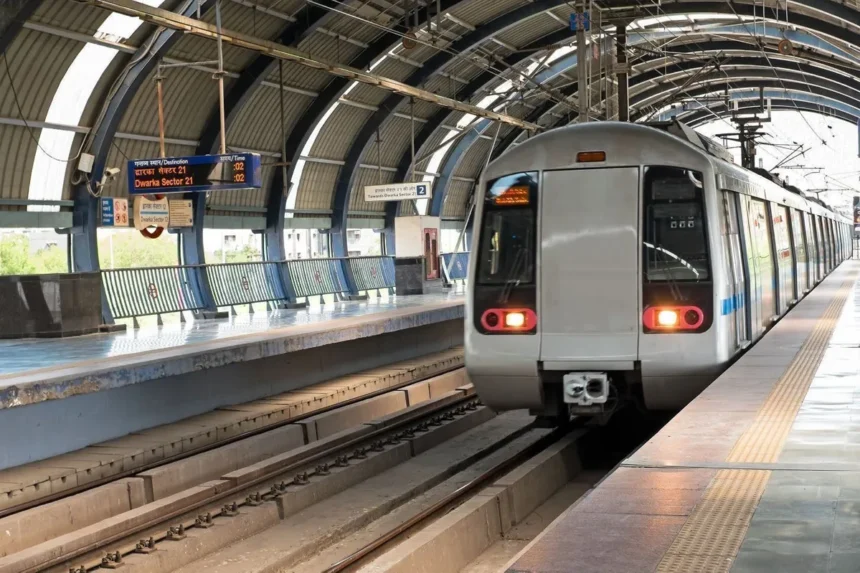
In a tragic incident at a West Delhi Metro station, the death by suicide of a 16-year-old boy has raised concern throughout the country after he jumped in front of a moving train on Tuesday evening. In an unexpected turn of events that many commuters have witnessed, NCPCR took cognizance and initiated a formal inquiry into the alleged negligence, underlying reasons, and institutional gaps that led to the teen’s death.
The boy, studying in Class 11, reportedly jumped from the Metro station’s high platform during peak traffic hours. He suffered critical injuries and died on the way to a hospital despite immediate medical assistance and efforts by Metro staff and first responders. The incident has sent shockwaves throughout the community, raising very pertinent questions about mental health awareness, bullying, academic pressure, and the safety measures present in public transit spaces.
NCPCR Seeks Detailed Report From Authorities
In quick response, the NCPCR sent notices to Delhi Police, as well as the education department, asking for an elaborate explanation. The Commission has asked for details about the sequence of events, steps taken by authorities after the incident, and any prior complaints or warning signs involving the child.
An NCPCR official said, “Every child’s life is precious. We have sought a comprehensive report to determine whether the boy was facing harassment, emotional distress, or institutional neglect. We will ensure accountability at all levels.”
The Commission has also sought CCTV footage of the Metro station, statements of eye witnesses and documents from the boy’s school. A fact-finding team is likely to visit the family and speak to his classmates and teachers in the coming days.
Family Complaints of Pressure and Neglect
The father of the teenager has demanded a high-level inquiry, alleging that his son had been facing intense academic pressure and was perhaps even bullied in school. He claimed he had approached teachers earlier over concerns with his son’s stress levels and that no meaningful action was taken in return.
He said in an emotive statement that, “My child repeatedly told us he felt unsafe and unsupported. We reached out for help, but nobody listened. Today we have lost him forever.”
The family has called on authorities to check phone records, online activities, and recent school interactions, as the boy’s behaviour reportedly changed in the last few weeks.
Police start their investigation
Delhi Police have registered a case under Section 174 of the CrPC relating to unnatural deaths and have started questioning school staff, relatives, and friends. Officers said no conclusions can be drawn yet, and that the investigation will consider all possible angles, including mental health challenges, academic stress, interpersonal issues, or cyberbullying.
According to a senior police officer, “We are treating this with utmost seriousness. We will follow every lead. If any individuals or institutions are found responsible for contributing to the child’s distress, strong action will be taken.”
Rising Concerns Over Student Mental Health
The incident once again brought up for discussion the increasing mental-health crisis among adolescents. Delhi-NCR has recorded a disturbing rise in student suicides over the past year, which is linked to academic expectations, social pressure, exam competitiveness, and digital-age anxiety.
Psychologists say teenagers today face unprecedented emotional burdens. Dr. Rhea Malhotra, a child psychologist, said, “We often underestimate the silent suffering young people carry. The stigma associated with discussing mental health prevents early intervention. Schools must have trained counselors; parents need awareness, and society needs to be more open and empathetic.”
The advocacy groups urge the government to adopt mandatory counselors at every school, psychological checks regularly, and well-structured anti-bullying mechanisms.
Metro Authorities to Review Safety Protocols
DMRC has expressed deep sorrow and announced an internal review of the safety and surveillance systems. While platform-screen doors are present in some lines, most of the older stations do not have them-a fact that has been highlighted time and again by experts as a serious safety concern.
DMRC said more staff will be deployed at vulnerable stations, and counselling kiosks may be introduced with mental-health NGOs in collaboration with government bodies.
A Call for Systemic Change
The tragedy has become a rallying point for parents, educators, activists, and lawmakers pressing for immediate reforms in child protection, school accountability, and mental-health support as investigations unfold. Several organisations are planning to hold awareness campaigns across Delhi schools on warning signs of emotional distress and encouraging open communication between students, teachers, and families. For now, the city mourns the loss of yet another young life-a reminder that urgent reforms are needed before more families are forced to endure such unimaginable grief.


