Delhi’s 62 Traffic Hotspots Revealed: Inside the Capital’s Biggest-Ever Plan to Cut Congestion and Pollution
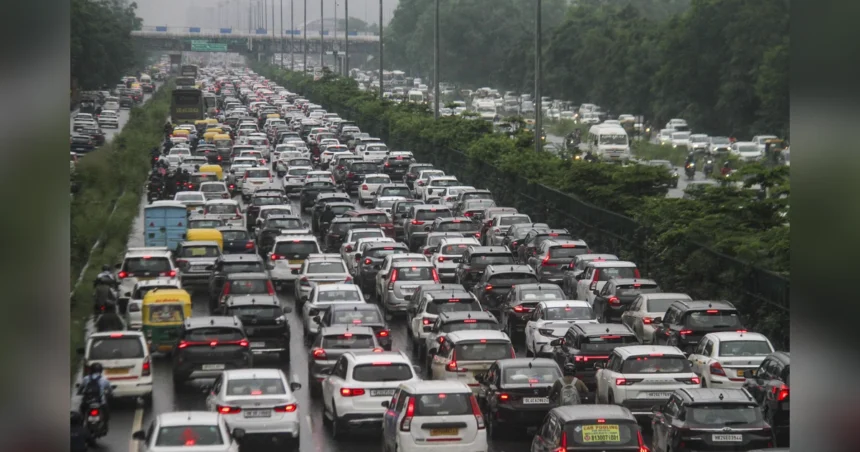
Delhi’s long-standing traffic nightmare may finally be headed for a meaningful transformation. The Delhi government has mapped 62 major congestion hotspots across the city and has launched a coordinated, multi-agency plan to ease traffic, reduce pollution, and streamline the daily movement of millions of commuters.
Environment minister Manjinder Singh Sirsa said that short-term fixes are already underway at several locations, while medium- and long-term upgrades will follow over the coming weeks and months. According to officials, this new blueprint aims not just to clear traffic jams but to directly reduce the pollution load caused by long idling lines of vehicles.
Below is a clear breakdown of what these hotspots are, why they matter, and how authorities plan to tackle them.
Where Are Delhi’s Worst Traffic Hotspots?
An internal government presentation shows that these 62 bottlenecks are scattered across almost every district of Delhi. These include some of the Capital’s most familiar choke points:
- Bhavbhuti Marg outside New Delhi Railway Station
- Kashmere Gate and the surrounding transit zone
- Madhuban Chowk in northwest Delhi
- South Extension Part I
- Mayur Vihar Phase III
- Punjabi Bagh roundabout
- Ajmeri Gate
- The stretch near Max Hospital, Saket
More than half of these hotspots see extreme congestion during morning and evening peak hours. Others, particularly in market-heavy zones such as Majnu Ka Tila and South Extension, experience weekend or holiday-specific gridlocks.
A few rare locations, like Guru Ravidas Marg and Najafgarh Road, remain heavily choked almost all day long, showing how deeply structural the problems are.
Why These Areas Get So Badly Jammed
Officials say the causes vary from place to place, but many of the issues are surprisingly basic:
Narrow Roads and Poor Design
Many roads simply cannot handle current traffic volumes. Intersections are outdated, medians are broken, and lanes are poorly defined or painted.
Encroachment and Illegal Parking
At several locations, hawkers, parked vehicles, and unregulated commercial activity cut highway-width roads down to single lanes.
For instance, at Boulevard Road near Tis Hazari, advocates’ cars often block both sides of the carriageway, spilling over into bus stops and causing long queues.
Market Crowd Pressure
Areas such as Majnu Ka Tila and Mayur Vihar Phase III get heavily congested on weekends. In Majnu Ka Tila, a mix of narrow lanes, unregulated parking, and a surge in shoppers turns the neighbourhood into a traffic deadlock.
Ongoing Construction
Civil work by agencies like the Delhi Jal Board, Metro construction activity, or PWD repairs can choke entire corridors for weeks.
Chaotic Bus and Auto Movement
Clustering of buses at crowded stops and unregulated auto stands also play a major role.
How the Government Plans to Fix Delhi’s Traffic
The decongestion strategy has been divided into three timelines: short-term, medium-term, and long-term. Each comes with its own set of interventions.
Short-Term Measures: What Will Change in the Next 30 Days
To provide quick relief, the government has started implementing a set of fast-action measures at several hotspots. These include:
More Traffic Personnel During Peak Hours
Extra staff are being deployed to manage morning and evening rush-hour flow.
Crackdown on Illegal Parking and Wrong-Side Driving
Traffic police have been instructed to aggressively remove improperly parked vehicles and take action against wrong-side driving.
Clearing Encroachments
Hawkers and roadside stalls blocking key carriageways are being moved.
Immediate Engineering Fixes
Simple but effective improvements—such as repainting lanes, stop lines, zebra crossings, and clearing debris—are being fast-tracked.
Better Bus Stop Management
Bus operators will be monitored to prevent bunching of buses, which often causes instant bottlenecks.
Priority Pothole Repair
High-stress corridors such as Burari Main Road, ISBT Kashmere Gate, Jaitpur, and Khanpur have pothole repairs listed as urgent.
Officials say some hotspots should start showing noticeable improvement within a month.
Medium-Term Measures: Changes Planned Over the Next 30–90 Days
The medium-term plan focuses on deeper, structural changes that can reshape how traffic flows through busy junctions.
These include:
Redesigning Intersections
Poorly designed junctions will be rebuilt to improve turn radius, lane discipline, and overall vehicle movement.
Creating New Traffic Islands
Some areas will get newly designed islands that guide traffic more smoothly.
Smarter Traffic Signals
Signal cycles will be optimised based on congestion patterns.
Relocating Bus Stops and Auto Stands
In some markets and hospitals, bus stops sit at the worst possible points. Authorities plan to shift them to reduce blockages.
Removing Permanent Encroachments
Long-standing market stalls or illegally extended shopfronts will be cleared.
Improving Signage, Lighting, and Pedestrian Infrastructure
Blinkers, reflective signage, and better-lit crossings will be added in high-risk, high-footfall zones.
For markets such as East Azad Nagar and Krishna Nagar, pedestrian channelisation and tighter e-rickshaw regulations have been proposed.
South Extension will see reorganised pedestrian movement and a review of bus stop locations.
In west Delhi, areas such as Rajouri Garden, Naraina, and Rohtak Road will undergo redesigns to handle intense market and commuter traffic.
Long-Term Measures: The Big, Structural Upgrades
The long-term plan targets improvements that require more time, coordination, and significant construction.
These include:
Road Widening Where Feasible
Some narrow stretches will be widened to handle growing traffic.
Construction of Service Lanes
Permanent service lanes will help decongest main roads.
New Foot Overbridges and Underpasses
Pedestrian infrastructure will get major upgrades to reduce jaywalking, a leading cause of sudden traffic stoppages.
Smart Traffic Systems
The government plans to introduce adaptive traffic signals and dedicated bus lanes in key areas.
Barricading to Prevent Jaywalking
Landscaped barricades will be installed along busy stretches to keep pedestrians from crossing unpredictably.
Fixing Challenging Points
Certain zones require special attention:
- Kalindi Kunj: Six lanes from Noida merging into three inside Delhi creates a daily bottleneck. Structural redesigns are being studied.
- Sarai Kale Khan: A complex junction where major roads, ISBT traffic, and railway/RRTS movement collide. Solutions may include new merge lanes, grade separators, and dedicated bus bays.
A Multi-Agency Effort: Why Coordination Is Key
This plan involves joint action from multiple departments:
- PWD will handle widening and structural repairs
- MCD will clear encroachments and regulate markets
- DMRC will expedite pending Metro-related construction
- NHAI will manage highway stretches
- Transport department will regulate auto stands, e-rickshaws, and bus operations
A joint task force will meet weekly to review progress using photo and video documentation. A real-time dashboard is also being planned.
Why Reducing Traffic Is Crucial for Delhi’s Air Quality
Experts say the stakes are extremely high. Traffic congestion directly increases PM2.5 and nitrogen dioxide (NO2) levels, both linked to asthma, lung disease, and respiratory infections.
Areas such as ITO, Mahipalpur, North Campus, and IGI Airport already record dangerous NO2 spikes. Without easing traffic, these numbers will remain high.
Environmental experts also stress that the real long-term solution lies in reducing dependence on cars. Stronger public transport, safer cycling lanes, and better pedestrian paths are essential for sustainable improvement.
Will Delhi Finally Breathe Easier?
Delhi’s new decongestion blueprint is ambitious and long overdue. If executed effectively, it could reshape daily commutes, reduce pollution levels, and make the city more liveable.
But the key lies in whether all agencies stay aligned and committed. Delhi’s traffic crisis has deep structural roots, and it will take consistent effort across months and years to see lasting change.
For now, what Delhiites can expect in the immediate future is a series of visible fixes at some of the city’s most frustrating choke points. Whether this marks the beginning of a truly smoother, cleaner Delhi is a question only time will answer.