The number of deaths in the car explosion near Delhi’s historic Red Fort rose to 13, with a critically injured victim at the Lok Nayak Jai Prakash (LNJP) Hospital succumbing. The victim is a 35-year-old man identified as Bilal, who was badly burnt, with almost 70 percent burns and abdominal trauma, and has been on a ventilator since November 10, 2025, the day of the blast. Despite all efforts put in for his recovery, with intensive care and emergency surgery, Bilal died.
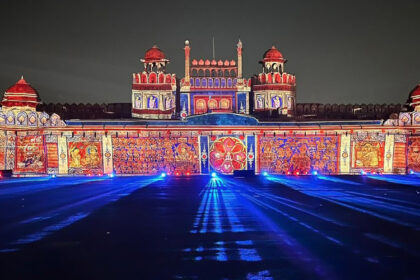
The blast outside the Red Fort, one of the most iconic and symbolic monuments of India, sent shockwaves throughout the city as hundreds of people panicked and an enormous emergency response ensued. Medical officials have reported that twenty-four victims remain in LNJP Hospital care, with six in critical condition. Many survivors are fighting for their lives with severe burns and shrapnel injuries, trauma from the blast wave, including ruptured eardrums, fractures, and respiratory complications.
Temporary facilities have been set up by the hospital authorities near the emergency ward to accommodate relatives of the victims. The basic amenities are being provided while the families anxiously await news regarding the condition of their loved ones. Experts say that long-term consequences may include permanent physical disabilities, loss of hearing, and severe psychological trauma for the survivors, which would require several months of rehabilitation.
Nature of the Blast
Preliminary investigations have pointed out that the blast originated from a white Hyundai i20, reportedly loaded with high explosives, possibly ammonium nitrate-based. Early forensic analysis indicates the attack was designed to maximize casualties. Authorities are also examining whether it was a suicide-style attack or part of a larger coordinated effort. The National Investigation Agency has taken over the probe and filed cases under the Unlawful Activities (Prevention) Act and the Explosives Act.
The police are investigating several angles, including footage from the CCTV cameras at Red Fort and its surroundings, vehicle movements, and digital evidence. According to reports, two more vehicles are suspected of having some sort of relevance with the conspiracy, further complicating the investigation. Security agencies have also ramped up surveillance in high-risk areas across Delhi, including metro stations, crowded markets, and other heritage sites, to prevent further incidents.
Security and Government Response
The blast immediately provoked high-level government action. Prime Minister Narendra Modi visited LNJP Hospital in order to meet the injured, express solidarity, and assure that the perpetrators would be brought to justice. Home Minister Amit Shah convened security officials to review Delhi’s threat preparedness and reinforce city-wide vigilance measures. Additional police deployment, temporary checkpoints, and enhanced patrolling were ordered around sensitive locations, including the Red Fort and neighboring Chandni Chowk.
Authorities have also begun coordinating with intelligence agencies to investigate possible terror networks and the source of explosives used in the attack. Early reports indicate that individuals with prior criminal or extremist backgrounds could be involved, but officials warn that the investigation is ongoing.
Public Impact and Repercussions
The blast at Red Fort has caused a tragic loss of life and mounted security anxiety across the capital. Public transport systems, markets, and areas frequented by tourists are under close watch. Disruptions due to cordons and investigation-related closures affected local businesses and residents around the site of the blast. Schools nearby have been asked to remain alert, and civic authorities issued safety advisories to the public.
The attack has psychologically affected the residents of Delhi. Apart from the bruises and bones, the explosion has created an atmosphere of fear and uncertainty in the minds of the people, bringing out the vulnerability of public space in cities to the attackers. According to experts, increased security and awareness campaigns will be very essential for restoring confidence among citizens and visitors alike.
Broader Implications
Security analysts said this attack near a symbolic national monument could be meant to convey a wider political or ideological message. The Red Fort, being a UNESCO World Heritage site, has immense historical significance as a symbol of India’s sovereignty and resilience. Therefore, a blast at such a landmark holds not just human cost but also national symbolism, heightening the urgency for a comprehensive and transparent investigation.
The incident also underscores the medical challenges that an urban hospital faces in responding to a mass-casualty event: burn injuries, trauma from shrapnel, and blast-related fractures all require organized multidisciplinary care and planning for immediate treatment and long-term rehabilitation. LNJP Hospital has emerged as the central hub for critical care, with readiness paramount in urban healthcare systems. Conclusion With Bilal’s death, the number of deaths due to the Red Fort blast has risen to 13. The heart-wrenching tragedy hides behind the headlines. The government has reassured the public that the NIA and other security agencies are continuing their investigation to identify and apprehend the culprits. The attack was a stark reminder for the residents of Delhi of the need for vigilance, preparedness, and coordinated civic and security response. The next few weeks will tell not only how many more injured may die but also whether India’s urban security infrastructure can prevent the recurrence of such incidents.