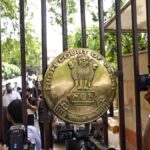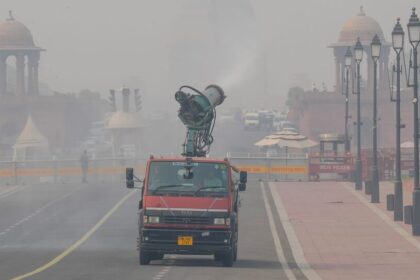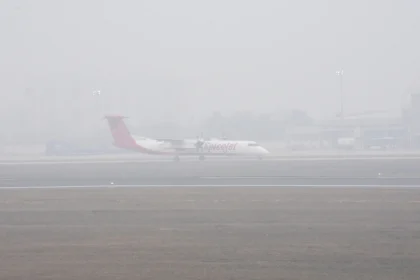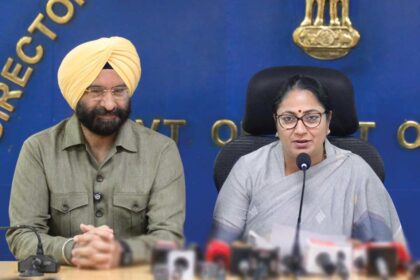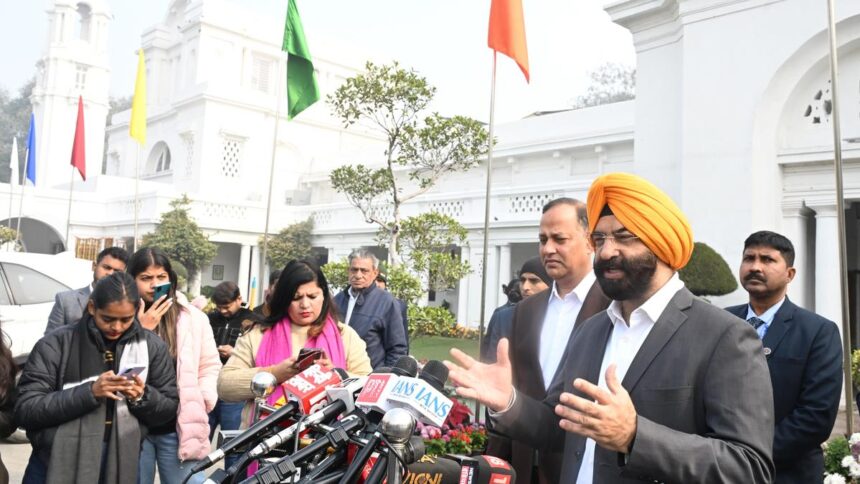
On the final day of the Delhi Legislative Assembly session, the city’s worsening air quality became the center of a heated debate. The BJP-led state government blamed the opposition for ongoing pollution issues, while the Aam Aadmi Party (AAP) accused the government of mismanaging efforts and relying on publicity stunts instead of real solutions.
BJP Blames Past Governments and Publicity Spending
Environment Minister of Delhi argued that toxic air is partly the result of previous administrations’ inaction. The minister claimed that efforts under earlier governments were insufficient and that much of the spending was aimed at media visibility rather than meaningful impact.
Key points from BJP’s stance:
- Previous governments failed to address sources of pollution effectively.
- Publicity-driven projects did little to improve air quality.
- Current government initiatives are aimed at creating measurable change.
The minister also cited ongoing campaigns to clean up Delhi’s environment, although specific details on new measures were not highlighted.
AAP Fires Back: Failed ‘Artificial Rain’ Attempt
The ruling AAP did not hold back in criticizing the BJP government. Party leaders highlighted what they described as the government’s “failed bid to create artificial rain” as an example of ineffective and attention-seeking measures.
AAP also suggested that blaming past governments is a convenient excuse for current policy shortcomings. According to party members:
- Pollution control requires long-term, practical solutions rather than short-term publicity exercises.
- Efforts like cloud seeding failed to produce meaningful results.
- Delhi citizens continue to face poor air quality despite claimed government initiatives.
Chief Minister Hails Progress Despite Criticism
AAP Chief Minister framed the city’s air quality situation as an improvement over past years. According to the CM:
- Delhi is moving “from a gas chamber to green Delhi.”
- Initiatives such as expanded green spaces and emission controls are gradually making an impact.
- Public perception of air quality remains critical, but measurable progress is being made.
The CM also emphasized that policy solutions take time and require coordination across multiple agencies and levels of government.
The Ongoing Pollution Challenge
Delhi’s air pollution remains among the worst for major cities globally, particularly during winter months when crop burning, vehicle emissions, and industrial pollution peak.
Key challenges:
- Crop burning in neighboring states contributes significantly to PM2.5 levels.
- Vehicle emissions remain high despite restrictions.
- Industrial emissions and construction dust continue to affect air quality.
Despite efforts from both BJP and AAP in recent years, Delhi continues to grapple with hazardous air days, and public frustration remains high.
Political Implications
The exchange in the House on January 9 reflects broader political tensions:
- BJP is positioning itself as the party holding the opposition accountable for current environmental conditions.
- AAP is defending its tenure while highlighting the government’s failed or symbolic initiatives.
- The debate underscores the complexity of managing urban pollution, which involves multiple stakeholders, including central and state governments, local authorities, and neighboring states.
What Delhi Residents Can Expect
While political arguments continue, experts say long-term improvements require:
- Rigorous enforcement of emission standards for vehicles and industries.
- Expansion of public transport and reduction of private vehicle use.
- Sustainable solutions for crop residue management in surrounding states.
- Continued monitoring and transparent reporting of pollution metrics.
Both parties agree on the need to tackle pollution, but disagreements over methods and credit continue to dominate public discourse.
Conclusion
Delhi’s air quality debate highlights the challenges of governance in a complex megacity. As BJP and AAP trade blame in the Assembly, the city’s residents continue to experience hazardous air conditions. While initiatives like green spaces and pollution monitoring are underway, experts caution that meaningful improvement will require sustained, practical, and scientifically driven policies rather than political point-scoring.