Delhi woke up to an unusually harsh winter morning as temperatures dropped to one of the lowest recorded December levels in the recent past, which further exacerbated the ongoing cold wave at the National Capital Region. According to early data by IMD, several parts of Delhi recorded minimum temperatures between 5°C and 6°C, nearly 4-5 degrees below normal, marking the most intense early-December chill for Delhi in almost a decade.
The cold wave has not come unaccompanied. A thick layer of haze and continuous smog hung over the city throughout the day, combining with icy winds to make life tough for citizens. Even with sunlight visible during afternoon, the fog-like haze refused to clear, keeping visibility poor and the air quality in the “very poor” to “severe” category across many monitoring stations.
IMD officials have attributed the sharp drop in temperature to the northwesterly winds flowing from the snow-covered Western Himalayas. The winds, which travel unchecked towards the plains, brought down temperatures rapidly over the last 48 hours. The situation is likely to deteriorate further over the next two to three days, with the IMD predicting minimum temperatures may dip further, even touching 4°C in some pockets of Delhi and the adjoining NCR cities of Gurugram, Noida and Faridabad.
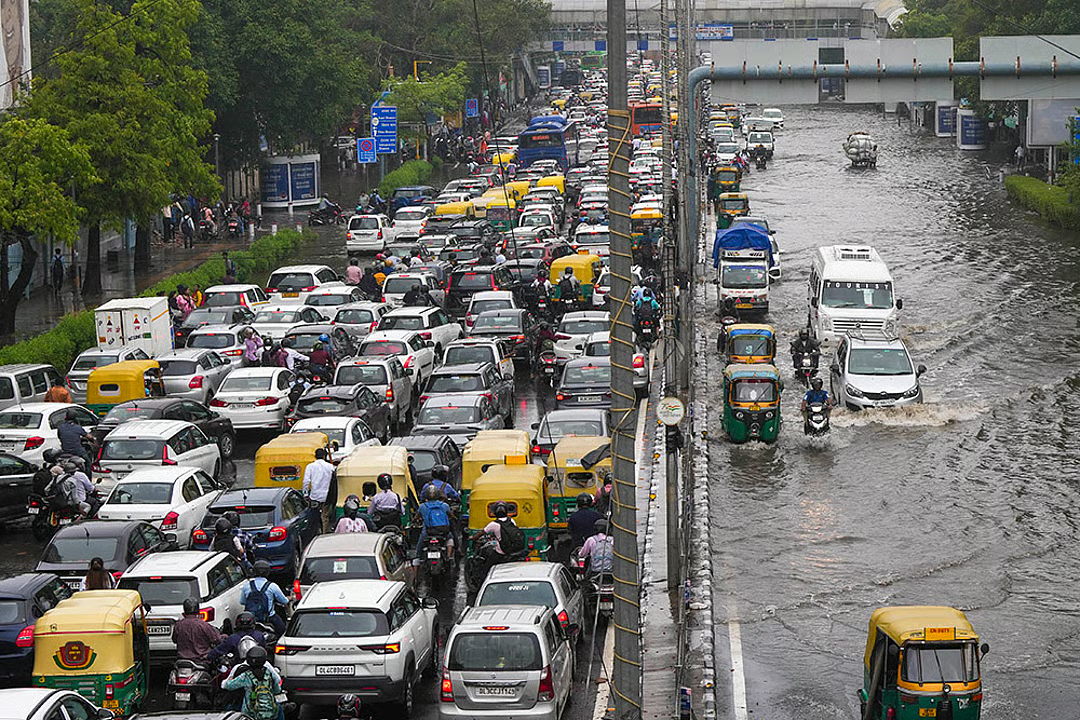
Residents felt a severe morning chill as dense fog was reported from areas like Palam, Rohini, Vasant Kunj, and parts of East Delhi. Commuters had to deal with slow traffic because of poor visibility, while several domestic flights were delayed at the Indira Gandhi International Airport due to runway visibility falling below 50 metres between 6:00 AM and 9:00 AM. Authorities have advised travellers to check the status of their flights before coming to the airport, predicting similar disruptions over the next few days.
But while the cold is uncomfortable, the worsening pollution is far more dangerous. Delhi’s AQI hovered around 350–380 in many regions—firmly in the “very poor” category—while hotspots like Anand Vihar, Jahangirpuri and Wazirpur saw readings exceeding 420, crossing into “severe.” This combination of cold air and pollution is a familiar winter phenomenon for the capital. Cold air traps pollutants close to the ground due to temperature inversion, where warm air sits atop cold air, preventing dispersion of particulate matter.
Environmental experts warn that this locked-in pollution poses serious health risks. Doctors have advised residents, especially children, the elderly, and those with respiratory issues, to avoid early morning and late evening outings. Many reported a surge in cases of breathlessness, cough, sore throat, and burning eyes over the last week as pollution levels remained consistently high. Schools in some parts of NCR have also issued advisories asking parents to ensure children wear masks when stepping outdoors.
The Delhi government, meanwhile, has activated its winter pollution response plan, increasing water sprinkling on main roads, ramping up anti-dust campaigns at construction sites, and appealing to citizens to avoid using private vehicles unnecessarily. These steps have made little difference, however, with severe meteorological conditions combined with sustained vehicular and industrial emissions.
The cold wave has hit the city’s homeless population particularly hard. Shelter homes in Delhi are reporting full capacity, while NGOs say more blankets and warm clothes are urgently needed. Night shelters have been ordered to stay open all night, and mobile vans are to be deployed additionally to identify people sleeping in the open.
Looking ahead, the weather models indicate that the cold conditions will prevail at least for a week ahead when IMD has warned of “ground frost” conditions in some parts of northwest India. Residents of Delhi may also experience light mist or fog during late nights and early mornings further reducing the visibility and compounding travel difficulties. Still, many Delhiites have taken the dip in temperatures in good stride, even posting pictures of foggy mornings and cozy winter setups on social media. But beneath the cheer, lies a grim reality: dangerous pollution levels choke this city every winter. The cold is seasonal and, thus, predictable; the haze and the deteriorating AQI remain a grave environmental and public health challenge-one that calls out for long-term solutions beyond temporary winter action plans. Confronted by the biting cold wave and suffocating haze, the authorities and citizens are fighting a double winter crisis that hits the resilience, adaptability, and health of Delhi every year.