

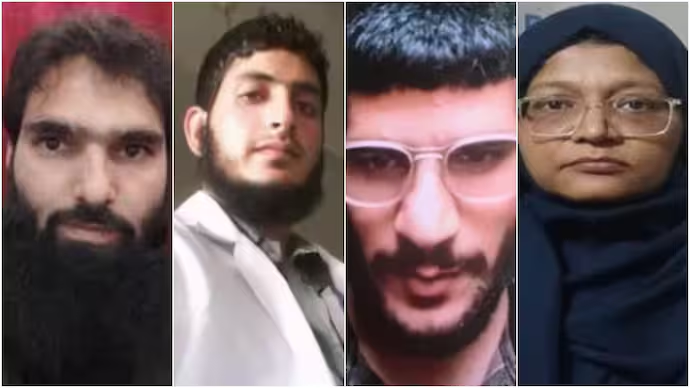
In an unprecedented disciplinary action that has sent shockwaves through the medical fraternity, four doctors have been removed from the medical register after being linked to a high-profile terror case. The decision by the NMC, after an extensive investigation, is among the most severe penalties imposed on medical professionals in recent years.
The identities of the four practitioners have not been disclosed as the cases are still in court. According to the official, they were found to have provided medical assistance, forged documents, and helped the movement of individuals associated with a banned terrorist organisation. This was established in a joint investigation carried out by central intelligence agencies and the NMC’s ethics board.
Investigators said the physicians were accused of abusing their professional privileges by issuing forged medical certificates, arranging treatments that were not logged, and giving them easy access to healthcare facilities without records of such visits. The actions, they said, helped the terrorists avoid both police surveillance and logistical pressures.
Removal from the medical register means that the individuals are barred for life from practicing medicine in India. This severe disciplinary action indicates the severity of the charges and possible implications of the misuse of medical expertise on issues of national security.
The case came to light nearly a year ago, when counterterrorism units uncovered a clandestine network providing logistical support to extremists operating in border states. Several raids were conducted in hospitals, private clinics, and rural health centers as part of the investigation. It was during this process that irregularities in medical records and suspicious patient entries led authorities to the four doctors.
A senior official who was part of the investigation disclosed that the doctors had been under undercover surveillance for many months. “We observed repeated instances of unregistered patient visits, incomplete medical histories, and unauthorized night-time procedures. These patterns matched the movement of known extremist operatives,” the official said.
Following the intelligence alerts, independent proceedings were started by the NMC, calling the doctors for hearings and demanding extensive documentation. Sources say that the accused were unable to provide credible explanations for the discrepancies found in their patient logs and prescription histories.
Shock, concern, and condemnation have been the responses within the medical fraternity. Professional associations termed the incident “deeply troubling” and sought to underline that such acts undermine the sanctity of the medical profession. “Doctors hold a position of trust and responsibility. Any breach of that trust-especially one that endangers national security-must face strict consequences,” said a spokesperson for the Indian Medical Association.
Legal experts noted that this is just the first step and the four doctors are expected to face criminal charges under anti-terror and national security laws. If convicted, they face long prison sentences.
Health experts say the case has raised very serious questions regarding vetting, oversight, and ethical compliance within the medical system. Some have called for greater mechanisms to monitor medical documentation, prevent misuse of medical certificates, and ensure strict audits of private clinics. There is also a growing demand for better coordination between healthcare institutions and law enforcement agencies to achieve early detection of suspicious patterns.
The incident has also raised apprehension over the possible vulnerability of some medical networks to being exploited. According to security analysts, terror outfits often approach medical help for treating injured operatives discreetly, seek forged health documents for movements, or plan cover stories to pass checkpoints. The misuse of legitimate medical channels gives them a dangerous degree of invisibility.
Meanwhile, civil rights groups have urged authorities to ensure a fair and transparent trial, warning against generalized distrust of medical professionals. They noted that wrongdoing must be punished, yet the integrity of most medical workers should not be questioned. The NMC has announced plans to review the ethical guidelines and monitoring procedures governing medical practice as the legal case progresses. The Commission is also considering periodic re-certification for doctors in sensitive areas or handling high-risk patient categories. The case serves as an eye-opener to the fact that even the most trusted professions enshrined in a code of ethics are not free from possible exploitation. For now, the removal of the four doctors signals a firm stance by authorities-not only to uphold the ethical code of medicine but also to strengthen the country’s security framework against any form of internal support for terrorism.


