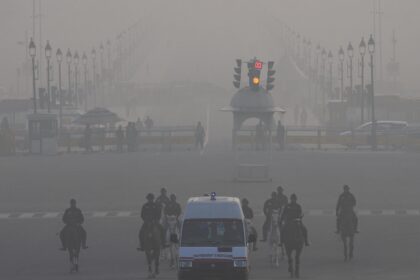
Delhi has faced rapid growth and mounting waste for many years, a city of over 20 million people. With the expansion of residential zones, increasing commercial activity, and growing transportation requirements, the pressure on the civic infrastructure is immense. It is here that the greatest challenge to waste management and urban planning lies-a concern which directly affects the health and environmental sustainability of its populace, affecting their quality of life. Recent announcements by MCD herald a fresh attempt toward resolving these perennial problems: new waste-processing facilities, enhanced energy infrastructure, and better connectivity across the capital.
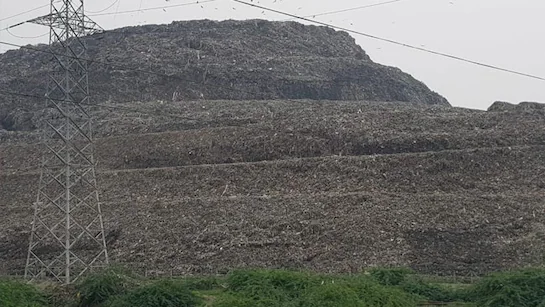
The most important step taken in this direction has been the move by the MCD to set up four new waste-processing plants across the city. These are proposed at Bhalswa, Okhla, Singhola, and Narela-Bawana, and together are expected to handle over 5,100 tonnes of waste per day. Currently, Delhi generates around 11,000–12,000 tonnes of solid waste daily, most of which goes into large landfills like Ghazipur, Bhalswa, and Okhla. These mounds of trash have become not only a traffic hazard but have also turned into sources of toxic fumes, leachate contamination, and air pollution. Blazes at landfills, particularly during dry seasons, contribute to poor air quality in the area.
The new waste management infrastructure looks to alter this narrative. The proposed plants will utilize modern waste segregation and recycling technologies meant to reduce landfill dependence and achieve more efficient disposal. If executed properly, this could ensure a change from a system dominated by dumping to one with its basis on processing, reusing, and recycling. Experts caution that setting up processing plants is only part of the solution. Waste segregation at the source-households, markets, and industrial zones-remains crucial. Plants cannot process waste efficiently without proper segregation, which has led to inefficiencies in operations and operational failures.
The success of the new facilities will thus require well-coordinated public awareness campaigns and mechanisms for enforcement that get residents and businesses to separate biodegradable waste, recyclables, and hazardous materials.
Infrastructure upgrades are also being undertaken to improve power reliability in the capital. The Delhi Electricity Regulatory Commission recently approved four large battery energy storage systems of combined capacity of approximately 55.5 MW.
These will be installed in regions across South and Southwest Delhi to support stable electricity distribution. Power reliability has become crucial as the city’s energy needs surge with growing commercial activities, residential expansion, and a higher number of air-conditioning units and electric appliances. Battery-backed stations can facilitate improvement in load fluctuations, enhance resilience during peak hours of demand, and provide backup capacity in case of outages.
At the same time, improvement in connectivity is also a major focus. A new 4-km tunnel between Kashmere Gate and Inderlok has been proposed to help ease the traffic bottlenecks of the central and northern parts of the capital. This will cut travel time and congestion in areas seeing heavy vehicular load. Better connectivity is not just crucial for commuter convenience but also impacts economic efficiency, pollution levels, and fuel consumption. A well-planned road and tunnel network, with an effective transit system, can minimize travel time and thereby bring down emissions to contribute toward bigger environmental goals.
While these steps reflect progress, implementation remains the key challenge. Delhi has seen numerous infrastructure projects announced with enthusiasm but delayed in execution due to administrative hurdles, land acquisition issues, funding constraints, and coordination gaps among state and central bodies. Ensuring accountability and transparency in project timelines will therefore be crucial.
Community participation also has a role to play in the future of waste and infrastructure in the city. The residents should also be involved in the segregation of waste, not dumping waste in open areas, reducing the usage of single-use plastics, and reporting violations. The local businesses and markets should also adopt better disposal mechanisms. Without behavioral change, even the best-designed policy is at risk for underperformance.
Delhi is at an important juncture where infrastructure modernization and restoration of the environment are to go hand in hand. The recent initiatives mark a stride toward a more sustainable urban future. If sustained with overall planning, technological adoption, and the cooperation of citizens, the city will be able to move gradually toward cleaner surroundings, less pollution, and a better quality of life. For a city as vibrant and historically important, these changes aren’t just development initiatives-they form the fundamental building blocks for the health of generations to come.
Delhi’s Push for Better Infrastructure and Waste Management: A Shift Towards a Cleaner Future


Leave a Comment