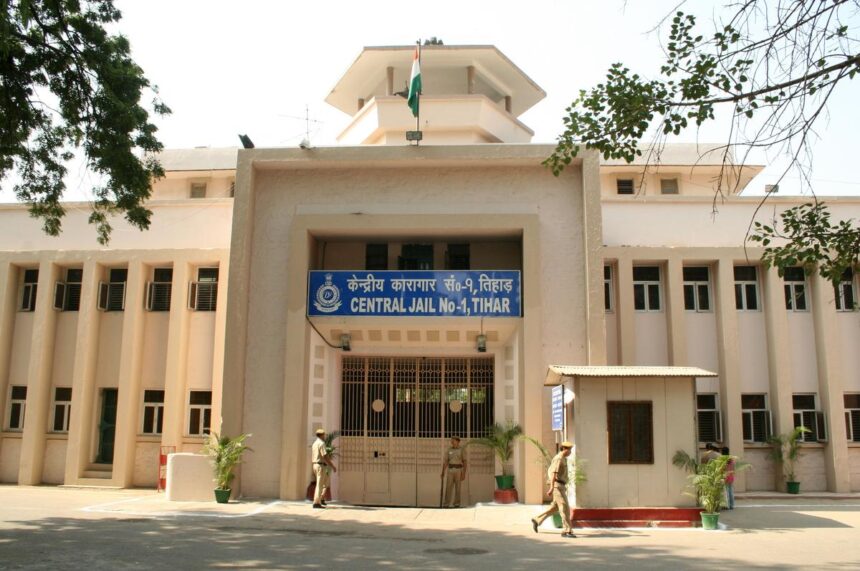
In strong rebuke to administrative inaction, the Delhi High Court has directed the Delhi government to constitute an inquiry committee within two weeks to probe allegations of extortion and misconduct by officials at Tihar Jail. The case, which has drawn public attention for exposing deep-seated corruption within one of India’s largest prisons, has prompted renewed scrutiny of accountability and transparency in the capital’s correctional system.
The high court intervened after a series of reports indicated that some jail officials were allegedly extorting money from the prisoners and their families in lieu of providing facilities and security to them inside the jails. At least nine officials were suspended in connection with the case, but the High Court emphasized that “mere suspension is not enough” and that both disciplinary and criminal proceedings must be initiated against those found guilty.
A Deepening Scandal
The extortion racket, according to the case details, involved an informal network of prison staff and intermediaries. They allegedly asked for money, ranging from ₹50,000 to ₹5 lakh, from inmates or their relatives in lieu of assuring favorable treatment that included phones, better accommodation, or protection from harassment by other prisoners.
Reports by whistleblowers and internal vigilance inputs had been coming in over the last few years regarding such practices, but this case gained prominence after one inmate’s family filed a formal complaint detailing the systematic extortion attempts. The family claimed they were coerced into paying money to keep their relative safe behind bars.
Court’s Stern Observations
The Bench during the hearing voiced its concern for the “serious erosion of discipline and integrity” in the jail administration. The judges noted that Tihar Jail, which was supposed to uphold reformative justice, had instead become a ground for exploitation.
The Delhi High Court ordered the Delhi government to file a comprehensive action-taken report in 14 days, comprising details of the inquiry committee, status of inquiries, and steps to ensure such incidents do not happen again. “The matter cannot be brushed aside as routine misconduct,” the bench said, adding systemic reforms rather than “symbolic suspensions.”
The High Court further ordered the installation of technology-driven monitoring mechanisms, including body cameras, enhanced CCTV coverage, and digitized grievance mechanisms that would also allow anonymous reporting of abuses to authorities by inmates.
Government and Prison Administration Response
Complying with the court’s direction, Delhi Home Department confirmed the receipt of the order and said the government has initiated the process of constituting a high-powered inquiry committee to be headed by a senior IAS officer. A spokesperson said, “The government takes the court’s observations seriously and will ensure a fair and transparent investigation. Any official found complicit will face severe consequences.”
The Tihar Jail administration has promised full cooperation too. Officials confirmed that internal reviews were underway to trace the money trail and identify the officers. “We are implementing stricter supervision, enhanced surveillance, and regular audits,” said a senior jail official, who spoke on condition of anonymity.
Wider Implications and Systemic Concerns
This is not the first time Tihar Jail has been at the centre of controversy. In the last ten years, there have been several incidents that have showcased contraband, unauthorized communication devices, and VIP treatment for some inmates. The latest extortion allegations underline a chronic governance problem within India’s correctional institutions, where overcrowding, understaffing, and poor oversight create fertile ground for corruption.
Experts say the scandal could prove to be a much-needed wake-up call for deeper reforms. Legal activists have called for independent prison oversight boards, regular external audits, and greater protection for whistleblowers inside the system. “Tihar represents the power of the state over the individual; when corruption seeps into that system, justice itself has been compromised,” a senior legal analyst said.
What’s Next
With the High Court giving a two-week deadline, there is pressure now on the government to show some accountability and transparency. Failure to act decisively could invite further judicial intervention and public criticism. The report to come is likely to contain not just punitive action but also long-term reform measures. If implemented sincerely, this could mark a turning point in the prison administration of Delhi-away from punitive control towards accountable governance. As the investigation continues, it is proven that the Tihar case keeps on showing the world that justice lives not just in courts but also in the conscience of those entrusted with it.