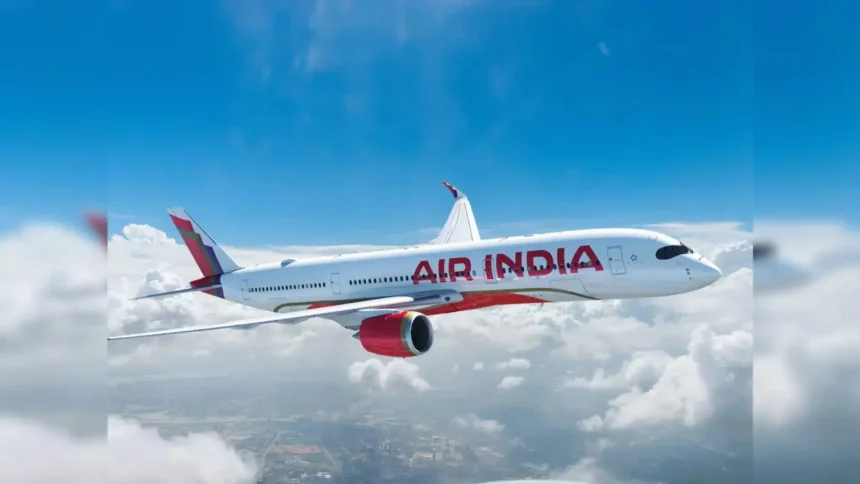
On October 9, 2025, Air India flight AI154, operating from Vienna to New Delhi, was unexpectedly diverted to Dubai after a technical issue emerged mid-air, raising concerns and highlighting the airline’s commitment to passenger safety. The Boeing 787 Dreamliner, carrying over 200 passengers, encountered multiple autopilot system failures at a cruising altitude of 39,000 feet, which led to the loss of automatic landing capability. In response, the flight crew took manual control of the aircraft, safely navigating it to Dubai for immediate technical inspection and resolution.
Incident Details
According to an Air India spokesperson, the incident unfolded smoothly thanks to the professionalism and quick response of the pilots and cabin crew. The diversion was a precautionary measure to ensure passenger safety while technical teams assessed the situation. Passengers were kept informed throughout the diversion and were provided with refreshments and necessary assistance during the stopover. After completing all required safety checks, the aircraft departed for New Delhi at 08:45 IST the following day.
While the flight reached its destination safely, the incident mirrors previous technical concerns with Boeing 787 Dreamliners in the past month, raising questions about the aircraft’s autopilot and electrical systems. On October 4, Air India’s flight AI117, operating from Amritsar to Birmingham, experienced a mid-air technical anomaly that led to the deployment of the Ram Air Turbine (RAT) during final approach. The RAT is a backup power device that activates when the main power systems fail, ensuring control of critical flight instruments and aircraft surfaces. Fortunately, in both instances, all passengers and crew members remained safe, and the aircraft landed without incident.
Air India’s Response
Air India promptly acknowledged the situation and expressed regret for any inconvenience caused. The airline emphasized that passenger safety remains its top priority and that the decision to divert the flight was made out of an abundance of caution. Air India has also committed to conducting a thorough investigation into the technical malfunction and taking all necessary steps to prevent similar occurrences in the future. The airline maintains that while incidents like these are rare, preemptive measures are essential for maintaining operational safety standards.
The airline has assured affected passengers that any disruptions caused by the diversion would be addressed, including arranging accommodations and facilitating onward travel to their final destinations. Staff at Dubai International Airport coordinated efficiently to ensure minimal inconvenience for travelers, showcasing strong collaboration between Air India and the airport authorities.
Safety Concerns and Oversight
The recent incidents involving Air India’s Dreamliners have reignited discussions around the safety and maintenance of Boeing 787 aircraft in India. Aviation experts and pilot associations have called for increased scrutiny of the fleet, especially concerning autopilot systems, electrical panels, and backup mechanisms like the RAT. The Federation of Indian Pilots has urged the Directorate General of Civil Aviation (DGCA) to conduct comprehensive inspections of all Dreamliners operating in India to identify and address potential technical vulnerabilities.
Despite the incidents, Boeing India and the DGCA have maintained that the Dreamliner is equipped with advanced safety systems and that such technical anomalies are manageable when proper protocols are followed. Pilots receive extensive training to handle mid-air emergencies, including autopilot failures, ensuring that manual control can be executed effectively if needed.
Passenger Experience and Public Assurance
Passengers aboard AI154 praised the crew’s calm and professional handling of the situation. Many noted that regular updates and transparent communication significantly reduced anxiety during the diversion. Air India has reiterated that such incidents, though infrequent, underline the importance of robust emergency protocols and constant maintenance checks.
Experts also noted that diversion to nearby international airports is a standard aviation procedure when unexpected technical issues arise, emphasizing that safety takes precedence over schedule adherence. Air India’s quick decision to divert the flight to Dubai exemplifies how airlines prioritize human life above operational convenience.
The Air India AI154 diversion underscores the airline’s preparedness in handling in-flight technical issues while maintaining passenger safety. It also highlights the critical role of regulatory oversight and continuous aircraft maintenance in modern aviation. While such events can cause temporary inconvenience, they are vital in reinforcing confidence in the airline’s commitment to safety. Passengers can be assured that incidents like these, managed correctly, minimize risks and ensure that air travel remains a secure and reliable mode of transportation.