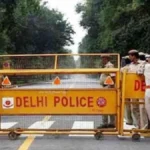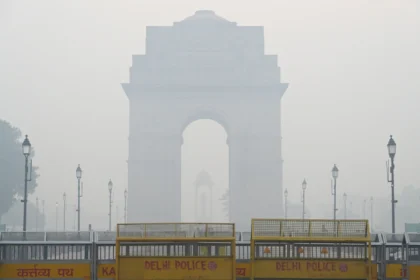
As Delhi’s air quality sinks into alarming “very poor” levels this week, the city is preparing for a bold and unprecedented experiment—its first artificial rain trial using cloud seeding technology. The Delhi government, in collaboration with scientists from IIT-Kanpur, has scheduled the operation for October 28, 2025, hoping to induce rainfall that could temporarily reduce toxic air pollutants choking the national capital.
The plan comes as part of a series of emergency measures aimed at mitigating Delhi’s worsening air pollution crisis, which tends to peak during the winter months. This year, the capital’s Air Quality Index (AQI) has remained consistently above 300 for several days, with particulate matter (PM2.5) concentrations crossing safe limits by more than six times in several localities.
The Science Behind Cloud Seeding
Cloud seeding is a weather modification method used by dispersing substances like silver iodide, potassium iodide, or dry ice into the clouds to induce rain. The particles serve as nuclei on which water can condense to become raindrops. The process works best when moisture-containing clouds already exist.
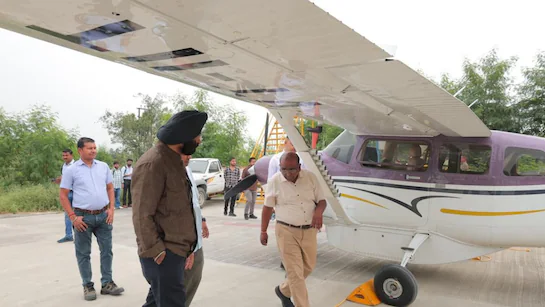
In the case of Delhi, two planes carrying cloud-seeding equipment have been deployed to Kanpur. These aircraft are to fly over specific areas of Delhi and surrounding regions once they have spotted favorable cloud cover. The operation would only go ahead if visibility in Kanpur, where the aircraft are stationed, increases from about 2,000 meters to a minimum of 5,000 meters—enabling safe flight conditions.
As Delhi Environment Minister Gopal Rai reported, the project is meant to “test the viability of using artificial rain as a pollution mitigation tool.” He underscored that this is not being pursued by the government as a long-term solution but rather as an experiment that can bring immediate help during peak pollution periods.
Why Delhi Is Turning to Artificial Rain
Delhi experiences a sudden spike in pollution every winter because of several reasons—burning of crop residue in the neighboring states, emissions from vehicles, dust from construction, and temperature inversions that bring the pollutants near the earth’s surface. In spite of various policy responses such as the Graded Response Action Plan (GRAP), prohibition on construction, and limiting old diesel vehicles, the city still grapples with poisonous smog.
The concept of creating artificial rain was floated years ago, but logistical and regulatory hurdles held it back. Today, with pollution levels almost reaching dangerous heights and the public putting pressure on the government, authorities have decided to go ahead with the pilot project.
Scientific experts from IIT-Kanpur, which has been successful in conducting cloud-seeding experiments in other cities in India, are spearheading the scientific part of the operation. They claim that even 5-10 millimeters of rain can substantially settle suspended dust and particulate matter, giving citizens temporary relief.
Effectiveness and Concerns
Although the experiment has created widespread enthusiasm, scientists advise against harbouring high expectations. Cloud seeding is no magic bullet, as success relies mostly on weather factors—specifically, the kind and availability of clouds. Furthermore, it is short-term and cannot serve as an alternative to persistent, systemic intervention into the causes of pollution.
Environmentalists have questioned the likely ecological and health effects of cloud seeding chemicals as well, though scientific research tends to judge silver iodide and the like as safe in the concentrations applied.
“Artificial rain is an emergency option, but not a magic wand,” averred a senior researcher at the Centre for Atmospheric Sciences, IIT-Delhi. “We must cut emissions at their source—vehicles, industry, and agricultural burning—instead of relying on weather interventions.”
The Road Ahead
If successful, Delhi’s cloud-seeding trial could pave the way for replicating similar experiments in other pollution-prone regions of India such as Lucknow, Kanpur, and Gurugram. The Delhi government has indicated that it will evaluate the results of the operation over the coming weeks, focusing on measurable improvements in air quality, visibility, and health parameters.
At the same time, officials remain calling for citizens to reduce outdoor exposure, wear N95 masks when going outdoors, and refrain from activities that lead to pollution like open burning or excessive use of cars.
As Delhi waits with bated breath for the heavens to open up, the artificial rain test is a singular combination of science and desperation—a technological beacon of hope against one of India’s most intractable environmental issues. Whether or not this test brings in a shower for a day or the solution for a lifetime is to be seen, but it certainly makes a landmark entry in the city’s war for fresher air.