Big Boost for Delhi: Shah Launches ₹1,816 Cr Yamuna and Water Projects
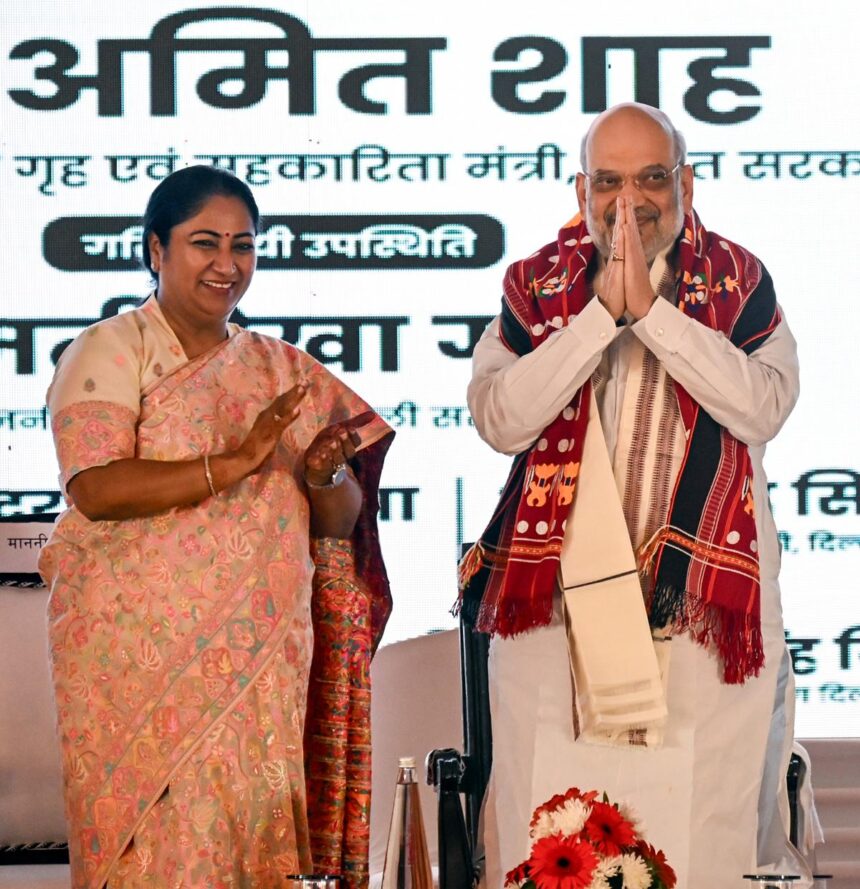
In a major push to revamp Delhi’s water infrastructure and clean up the polluted Yamuna River, Union Home Minister Amit Shah on Thursday launched development projects worth ₹1,816 crore. The launch includes initiatives to improve drinking water supply and clean the river, which has long suffered from industrial and domestic waste.
Calling the Yamuna a “symbol of faith”, Shah pledged to transform Delhi into a global city within five years, while taking sharp digs at previous governments for neglect and mismanagement.
What the Projects Include
The newly launched projects aim to address two of Delhi’s biggest issues: pollution in the Yamuna River and shortage of clean drinking water in several parts of the capital.
Key Project Components:
- Expansion and modernization of sewage treatment plants
- New water supply pipelines to underserved colonies
- Real-time water quality monitoring systems
- Restoration of Yamuna floodplains and riverfront
These projects are being funded and executed under the Jal Jeevan Mission, Namami Gange program, and Delhi Development Authority (DDA) schemes.
Amit Shah’s Vision: Delhi as a “Global City”
Addressing a gathering during the launch, Home Minister Amit Shah stated that Delhi will become a global city in the next five years with proper planning, investment, and strong leadership. He laid out a vision of a modern, clean, and efficient capital that reflects India’s global aspirations.
“The people of Delhi have suffered long enough. In five years, we will give them a city they can be proud of,” Shah said.
He directly blamed the Congress and AAP governments for failing to clean the Yamuna despite having decades in power.
Political War of Words: Corruption vs Vision
The event also saw a war of words between the BJP and AAP over who deserves credit for Delhi’s ongoing transformation.
While Shah accused both Congress and AAP of using Delhi as a political tool and keeping it backward through “corruption, vote-bank politics, and administrative neglect”, Chief Minister Rekha Gupta (AAP) took a different tone.
She credited Prime Minister Narendra Modi’s vision for making such large-scale initiatives possible and said the Yamuna clean-up reflects the “collective commitment to restore our cultural and environmental heritage.”
“Yamuna is not just a river, it is a symbol of faith for crores of Indians. We will bring it back to life,” said Gupta.
Why the Yamuna Needs Urgent Attention
The Yamuna River—which runs through the heart of Delhi—has been classified as one of the most polluted rivers in India. Despite previous clean-up attempts, untreated sewage, industrial effluents, and plastic waste continue to choke the river.
Current Challenges:
- Over 3,000 million litres of untreated sewage flows into the river every day
- Only a fraction of sewage treatment plants work at full capacity
- Slums and unauthorized colonies contribute heavily to waste dumping
- Riverfront areas are encroached or misused
Will This Time Be Different?
Previous attempts to clean the Yamuna have faced delays, funding issues, and lack of coordination between agencies. However, officials claim this time is different.
What’s New This Time:
- Centralized command structure with regular progress reviews
- Use of advanced technology for waste and water treatment
- Public-private partnerships for maintenance and operation
- Strict penalties for polluters
Impact on Delhiites: What to Expect
If implemented successfully, these projects could bring major improvements in the daily lives of Delhi’s residents.
Key Benefits:
- Cleaner riverfronts for recreation and tourism
- Better drinking water supply in peripheral areas and urban villages
- Reduced waterborne diseases due to cleaner water sources
- Improved air quality due to better sewage management
The government has promised visible changes within the next two years, with full results expected by 2030.
A Turning Point for Delhi?
With a ₹1,816 crore investment and political will from both the Centre and the State, Delhi might finally be on the path to reclaiming its rivers and modernizing its infrastructure.
But the real question remains: Will this momentum last beyond announcements and headlines? The next few years will tell whether this is another short-lived plan—or a true turning point for Delhi’s environment and urban development.