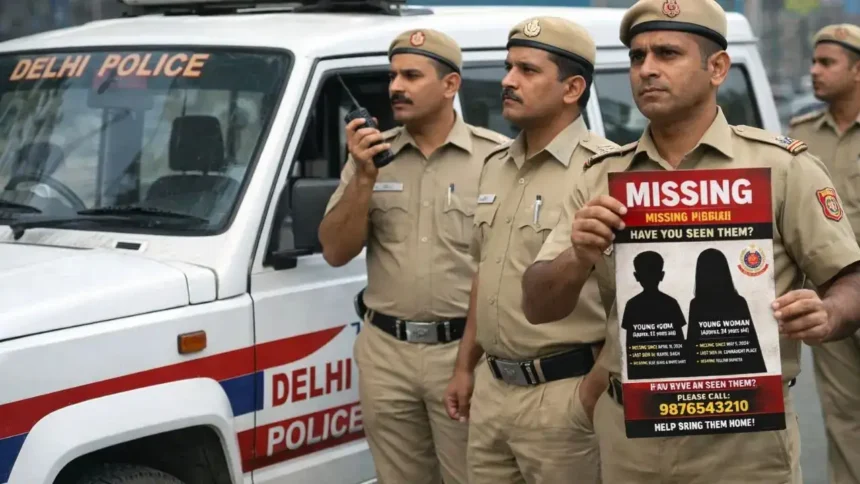
Missing Persons Spike in Delhi Prompts NHRC Action
A worrying trend in India’s capital has caught national attention. The National Human Rights Commission has stepped in after reports revealed that 807 people went missing in Delhi during just the first two weeks of January 2026. The commission has issued notices to the Delhi government and the city police commissioner, asking for a detailed report within two weeks.
The situation has raised serious concerns about public safety, human rights, and the effectiveness of systems meant to track and protect vulnerable individuals.
Authorities have now been asked to explain the circumstances behind these cases, what action has been taken so far, and what preventive measures are being planned.
Why the NHRC Took Notice
Serious Human Rights Concerns
According to the commission, if the reported numbers are accurate, they point toward potential human rights issues. Missing persons cases often involve vulnerable groups such as women, minors, migrant workers, and elderly individuals.
When large numbers of people go missing in a short period, it raises questions about safety, policing, social support systems, and possible exploitation risks.
The NHRC’s involvement typically signals that authorities need to provide accountability and clarity.
Official Notices Issued
The commission has formally asked:
- Delhi’s chief secretary to provide a comprehensive report
- The Delhi police commissioner to detail investigation efforts
The report is expected to include updates on tracing missing individuals, preventive measures, and steps taken to address recurring patterns.
The Numbers That Triggered Alarm
January 2026 Data
Police data indicates:
- 807 people reported missing between January 1 and January 15
- 191 of them were minors
- 616 were adults
- 235 individuals have been traced
- 572 remain untraced
That translates to roughly 54 missing persons cases every day during the first half of January.
These numbers have sparked widespread concern among residents and social organizations.
Longer-Term Trends
The issue is not limited to one month. Reports suggest:
- Around 24,508 people went missing in Delhi during 2025
- About 60 percent of them were women
- Police traced approximately 15,421 individuals
- Around 9,087 cases remain unresolved
Such figures highlight the persistent nature of the problem.
Teenagers and Women Among the Most Vulnerable
Adolescents at Higher Risk
Data over recent years shows a consistent pattern: adolescents face significant risk. Since 2016, more than 5,000 teenagers reportedly go missing annually in Delhi, with approximately 3,500 of them being girls.
This trend has worried child protection groups, educators, and law enforcement agencies alike.
Possible Reasons Behind Vulnerability
Experts point to several factors:
- Family disputes or domestic stress
- Economic migration pressures
- Online influences and social media contacts
- Human trafficking risks
- Urban anonymity and mobility
Each case is different, but understanding patterns is essential for prevention.
Police Response to the Situation
Claim of Declining Numbers
Delhi Police have stated that January 2026 actually saw a decline in missing persons reports compared to previous years for the same period.
Officials say increased awareness, better tracking systems, and proactive policing have contributed to improved outcomes in recent years.
However, public concern remains high due to the absolute number of cases.
Efforts to Trace Missing Persons
Police units handling missing persons cases typically use:
- Dedicated investigation teams
- Digital databases and facial recognition tools
- Coordination with other states
- Public alerts and community outreach
Despite these measures, tracing every missing individual remains challenging.
Understanding Missing Persons Cases
Not All Cases Are Criminal
Authorities emphasize that not every missing person case involves crime. Some individuals leave voluntarily due to personal reasons, employment migration, or family conflicts.
However, each case must be treated seriously until the individual’s safety is confirmed.
Urban Challenges
Large cities like Delhi face unique challenges:
- High population density
- Large migrant workforce
- Complex social dynamics
- Rapid urban movement
These factors can complicate tracking efforts.
Impact on Families and Communities
Emotional Toll on Families
When someone goes missing, families often experience:
- Anxiety and emotional distress
- Financial strain from search efforts
- Uncertainty and prolonged trauma
Support systems for affected families are increasingly seen as essential.
Community Safety Concerns
Frequent missing persons reports can also create broader public anxiety. Residents may worry about personal safety, especially for children and women.
This makes transparency and effective communication from authorities important.
Role of Awareness and Prevention
Importance of Public Awareness
Preventive awareness can reduce risks. Experts suggest:
- Educating children and teenagers about safety
- Encouraging open family communication
- Monitoring online interactions carefully
- Prompt reporting when someone goes missing
Early reporting significantly improves chances of tracing individuals quickly.
Technology and Data Use
Advances in technology have improved tracking capabilities:
- Digital ID databases
- CCTV networks
- Mobile tracking support
- Inter-state coordination platforms
Continued investment in these tools can help reduce unresolved cases.
What Happens Next
Awaiting Detailed Report
The NHRC expects a comprehensive report from Delhi authorities within two weeks. The report should clarify:
- Causes behind recent missing cases
- Steps taken to trace individuals
- Preventive strategies going forward
Based on the findings, further recommendations or actions may follow.
Potential Policy Changes
If systemic gaps are identified, authorities may consider:
- Stronger community outreach programs
- Enhanced policing strategies
- Better child and women protection initiatives
- Improved coordination between agencies
These measures could help reduce future incidents.
Larger Conversation About Urban Safety
Need for Multi-Level Solutions
Addressing missing persons cases requires cooperation among:
- Law enforcement agencies
- Social welfare departments
- Educational institutions
- Community organizations
No single solution can address the issue completely.
Balancing Growth With Safety
As cities grow rapidly, ensuring safety becomes increasingly complex. Urban planning, social services, and law enforcement must evolve together.
Public trust depends on visible action and transparent communication.
Final Thoughts
The report of 807 missing people in just the first two weeks of January has understandably raised concern across Delhi and beyond. The National Human Rights Commission’s intervention highlights the seriousness of the issue and the need for thorough investigation.
While police say overall trends may be improving, the numbers still point to significant challenges in ensuring safety for vulnerable populations. The upcoming report from authorities will likely shape future policies and preventive measures.
Ultimately, addressing missing persons cases requires collective effort — from authorities, communities, families, and individuals alike — to ensure safer urban environments and stronger support systems for those at risk