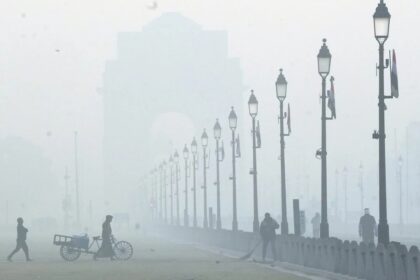
Despite the dense fogs, cold mornings, and problems associated with each season, the Delhi Metro services have been functioning well in the national capital, and it is much-needed consistency for lakhs of commuters who use the metro every day. As winter sets in in December, problems associated with operativeness arise in transport services, but the metro services have been functioning effectively.
According to officials in the Delhi Metro Rail Corporation, all major lines functioned properly in the peak morning and evening hours. Running on scheduled times, only slight delays were witnessed in some sections of the tracks during the morning hours when the fog density was at its peak. The delay was, however, immediately controlled as per the winter plans.
Advanced preparedness has been one of the major reasons behind the smooth running of operations. The DMRC activates its systems for operation in winters every year as the temperature falls. This started with increased Track inspections, watching out for the signaling system, and increased staff presence at stations as well as in control rooms. The fog sensors, as well as automatic signaling systems, were very useful in delivering trains to their destinations without causing harm in spite of minimalvisibility on roadways.
Commuters traveling to offices, schools, and colleges reported that their experience has been hassle-free. Commuters also reported that even as the road traffic was affected due to fog and chilly weather, traveling in the metro is reliable. Office-going commuters expressed satisfaction with the services offered in the early mornings and considered this a major positive factor in the winter season.
The station management increased efforts geared at making the commuters comfortable. The stations across the network made sure there was adequate lighting, announcements, and easy flow in and out of the stations to avoid congestion. More security officers and station attendants were hired during peak times to help senior and first-time commuters, especially during cooler mornings when people move slower.
From the operational perspective, special care was exercised regarding training equipment, braking systems, and overhead equipment, as these may be affected by a lower temperature. Technical personnel carried out frequent checks to avoid the development of condensation. Control centers employed strict monitoring regarding the movement of the train, and hence a prompt reaction to technical notifications.
The smooth operation of the metro services has positively impacted the city’s mobility. As a result of slowing down because of the fog, road transport has been affected, and there have been some points where trains have gotten delayed on long-distance routes, so the metro is the most preferable mode of transport.
The number of passengers continued to remain constant, marking a symbol of trust and confidence in the rail network. Regular commuters mentioned that fixed travel times during winter months are very important for their work and school schedules. The rail network is still the lifeline for commuters, especially during harsh weather conditions.
Going forward, officials from DMRC confirmed that the monitoring activities during the winters will also be carried out 24×7 since temperature levels are set to go even lower in the coming weeks. The entire emergency response team, technical staff, as well as operational staff, are on standby in case of any unexpected situation. Commuters have also been advised on what to do in order to stay safe. In a season when life in the city can often get affected by weather conditions, it is noteworthy that the services of the Delhi Metro have been consistent. This helps to strengthen its position as a dependable mode of transportation in spite of the challenges of winter.