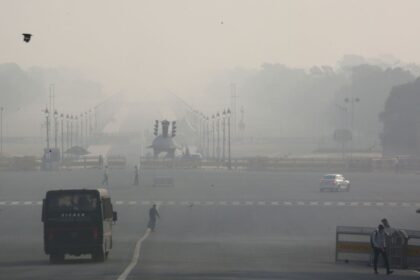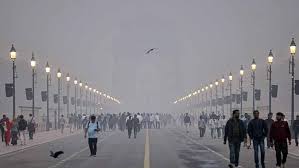
The air pollution level surges to hazardous levels, severely hitting daily life, public health, and transportation across the national capital. A combination of vehicular emissions, construction dust, industrial pollution, stubble burning in neighboring states, and unfavorable weather conditions have led to a sharp deterioration in air quality, pushing the Air Quality Index (AQI) into the “severe” category in many areas.
On Wednesday morning, various areas in Delhi saw AQI readings much over 450, significantly surpassing the limits of safety. The dense smog reduced visibility across the entire city, disrupting air, rail, and road travel. At Indira Gandhi International Airport, flights received delays due to poor visibility, while train services ran slower during early hours. Traffic viewed poor road visibility and complained of facing challenges to drive on the road, particularly during peak traffic hours, increasing the risk of accidents.
The worsening air quality has taken an immediate and widespread health toll. The number of patients coming to hospitals and clinics with complaints of difficulty in breathing, chronic coughing, irritation to throat, and eye problems has risen. Doctors warn that long-time exposure to such high levels of pollution might trigger aggravation of asthma, bronchitis, heart conditions, and other respiratory diseases, especially among children, the aged, and people with pre-existing disorders.
Medical experts have recommended that locals avoid outdoor activities, morning walks, and start wearing masks when outdoors. Schools have been asked to cancel outdoor sports and other events, while parents are worried about their children being forced to breathe poisonous air while en-route to school. Public health officials also recommend air purifiers indoors and keeping the windows closed during peak hours of pollution.
The authorities have pressed in sterner measures to combat the pollution under the Graded Response Action Plan. Construction, use of diesel generator, entry of polluting vehicles in Delhi all have been restricted. Anti-smog guns were installed at major points to reduce dust pollution, mechanical road sweepers were used, and traffic police took more scrutiny of vehicles emitting excessive fumes.
Despite these, environmental experts say short-term measures may not be sufficient to resolve Delhi’s recurrent air pollution crisis. Experts have spoken of a long-term structural solution including good public transport, strict enforcement of emission norms, better waste management, and coordination with neighboring states to avoid stubble burning. Experts also said that unfavorable meteorological conditions-low wind speed and temperature inversion-had locked pollutants near the ground, exacerbating the smog.
The residents, on the other hand, felt frustrated and showed concern for the repetition of severe pollution each year. “Every winter it’s the same story. We can’t breathe, our children fall sick, and daily life comes to a standstill,” said a South Delhi resident.
The economic effect of the smog has also been substantial. Delays in transportationare yet to affect businesses, supply chains, and daily commuters. Outdoor workers, including delivery personnel, traffic police, and construction laborers, face increased health risks while continuing to work under hazardous conditions.
As Delhi grapples with another pollution emergency, experts say equally critical is public awareness and citizen engagement. Less use of private vehicles, avoiding burning of garbage, and encouraging green initiatives are ways to reduce pollution loads. Yet without consistent policy action and regional cooperation, the capital’s fight with toxic smog could go on. For now, Delhi continues to be wrapped in its grey haze, its people remaining on their knees to pray for winds, rains, or strong action that could save them from the gasping-for-breath air.