Delhi-NCR AQI Today: Air Quality Dips to Hazardous Levels
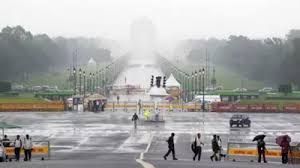
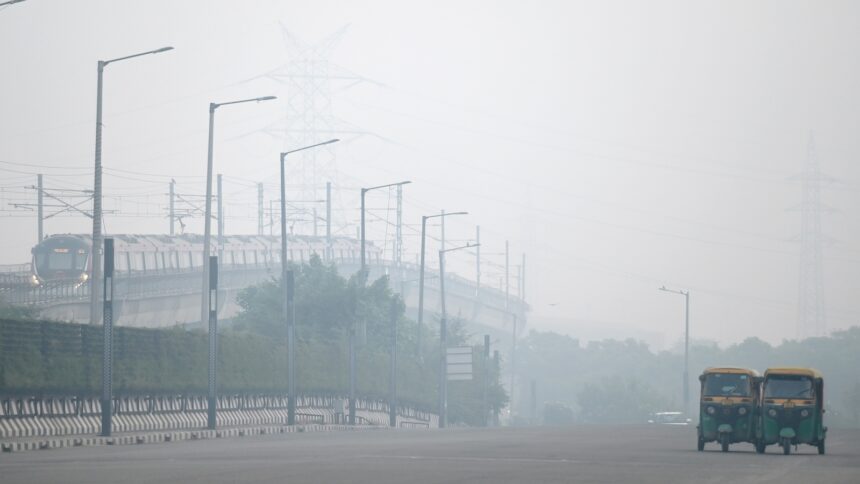
Delhi and the surrounding NCR cities woke up to another suffocating morning as pollution levels climbed deep into the hazardous zone. Residents across Delhi, Noida, and Gurgaon reported thick smog, burning eyes, and sore throats, with air quality monitors flashing numbers that show just how toxic the air has become.
At 7 AM on Saturday, November 22, Delhi’s Air Quality Index stood at an alarming 447. According to air quality trackers, breathing Delhi’s air at this level is the equivalent of smoking almost 11 cigarettes a day. For millions of residents, this has become a daily reality.
Why Delhi’s Air Is So Toxic Right Now
Delhi’s pollution typically spikes every winter, but this year the numbers are climbing faster and staying higher for longer. While the seasonal dip in temperature and decrease in wind speed are major contributors, the month has so far seen:
- Increased vehicular pollution
- Construction dust
- Biomass burning
- Stubble burning impact drifting from neighbouring states
- Industrial emissions
All of these factors mix together and settle in the air due to weak atmospheric conditions, trapping toxic particles close to the ground.
NCR Cities Record Even Higher AQI
While Delhi’s AQI was 447, some NCR pockets crossed even higher thresholds, entering the severe-plus range.
Noida
Noida experienced one of the worst readings of the morning. Several monitoring stations showed AQI levels over 460. Residents reported extremely low visibility and discomfort during early-morning walks.
Gurgaon
Gurgaon, which had a brief spell of improvement earlier in the week, slipped back into hazardous territory. Morning commuters reported a thick blanket of grey haze across the expressway and major arterial roads.
Ghaziabad and Faridabad
Both cities continued to see severe air quality, with numbers hovering close to 450. Schools, hospitals, and residential communities reported a spike in respiratory complaints, especially among children and elderly residents.
What Makes AQI 447 Dangerous
An AQI above 400 falls in the ‘Severe’ category. Long or even short exposure to such toxic air can lead to:
- Breathing difficulty
- Wheezing
- Throat irritation
- Chest tightness
- Aggravated asthma
- Higher risk of respiratory infections
- Increased chances of cardiac stress
At AQI 447, particulate matter (especially PM2.5) is so high that it can deeply penetrate the lungs and even enter the bloodstream.
Doctors across Delhi have repeatedly warned that daily exposure at this level can shorten life expectancy and lead to chronic health issues.
How Smog Is Affecting Daily Life
Residents across the city have shared concerns about the visibly polluted skies and the health impact it brings.
Low Visibility on Roads
Commuters have reported slow-moving traffic on several stretches due to poor visibility. Morning fog now blends with pollution, creating a dense layer of haze.
Schools and Workplaces Affected
Some private schools have switched to indoor sports, shorter assemblies, or air purifier classrooms. Workplaces have seen a rise in employees reporting headaches, irritation, or breathlessness.
Reduced Outdoor Activity
Joggers, cyclists, and morning walkers in parks like Lodhi Garden, India Gate, and Noida’s Sector 62 have drastically reduced their time outdoors, with many shifting to indoor workouts.
AQI Explained: What Each Category Means
Understanding AQI categories helps residents gauge how dangerous the air is each day.
- 0–50: Good
- 51–100: Satisfactory
- 101–200: Moderate
- 201–300: Poor
- 301–400: Very Poor
- 401–500: Severe
- 500+: Severe Plus / Emergency
At 447, Delhi is in the severe zone, which means the air is unsafe for everyone, not just sensitive groups.
What You Should Avoid Today
Given the hazardous AQI levels, health experts strongly advise residents to limit outdoor exposure. Here are precautions recommended for the day:
Avoid Outdoor Exercise
Running or jogging outside can cause rapid inhalation of PM2.5 particles, harming the lungs.
Wear High-Quality Masks
If going outdoors is unavoidable, masks with N95 or N99 filtration are recommended.
Keep Indoor Air Clean
Use air purifiers, keep windows closed during peak pollution hours, and avoid indoor activities like incense burning or smoking.
Stay Hydrated
Drinking enough water helps the respiratory system flush out toxins more effectively.
Check AQI Before Stepping Out
Apps like AQI.in, SAFAR, and the Central Pollution Control Board tracker provide real-time updates.
Why This Winter Feels Worse
Delhi’s battles with its annual smog season are nothing new, but this year the situation feels more intense. The weather has turned colder earlier, and there have been fewer windy days to help disperse pollutants.
Additionally:
- Construction activity across NCR remains high
- Vehicular emissions continue to increase with rising urban traffic
- Changing farm practices have created shifting stubble-burn patterns
These combined factors have made November one of the most polluted periods of the season so far.
Government Measures Under Review
Authorities have been monitoring the situation closely. Emergency measures under the Graded Response Action Plan may be intensified if conditions do not improve.
Possible interventions include:
- Halting construction activities
- Limiting truck entry into Delhi
- Reducing non-essential industrial operations
- Encouraging work-from-home for certain sectors
- Increasing mechanical road cleaning
- Deploying more anti-smog water sprinklers
Officials are also advising citizens to reduce personal vehicle use and opt for public transport where possible.
Will Pollution Levels Improve Soon?
As of now, forecasts show little improvement for the next few days. Meteorologists say the stagnant air and cooler nights will likely keep pollutants trapped until there is a change in wind speed or a spell of rain.
Small improvements may be seen during afternoon hours, but mornings and late evenings will remain heavily polluted.
Conclusion: Delhi-NCR Needs Urgent Relief
With AQI levels touching hazardous levels again, the air in Delhi-NCR poses a serious threat to public health. While authorities work on short-term and long-term measures, residents are advised to take all necessary precautions, especially those with asthma, respiratory issues, or cardiovascular conditions.
This winter, the smog season has returned stronger than expected, and staying informed is the first step toward staying safe.