Delhi Mornings Shrouded in Dense Fog, Traffic Slows as Visibility Drops
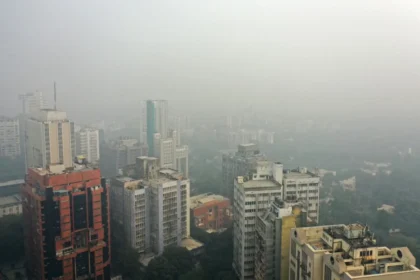
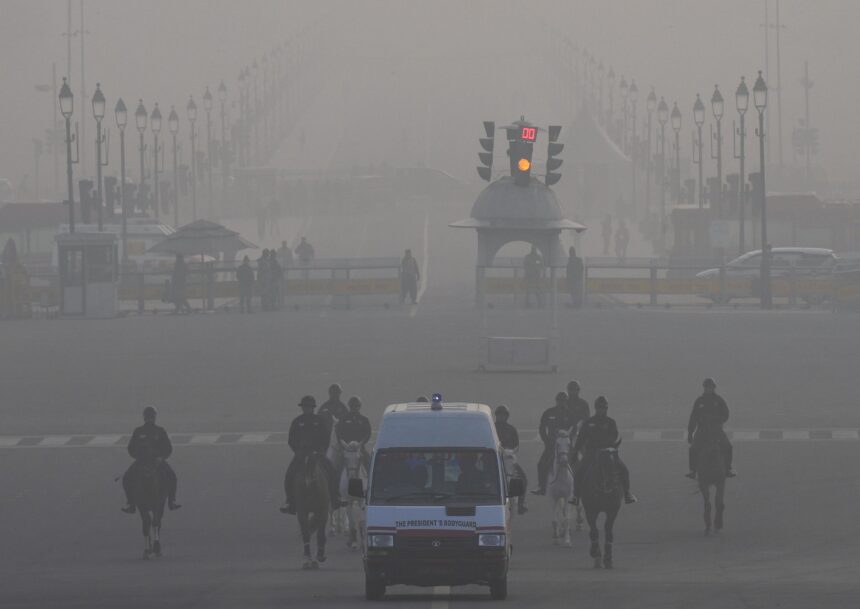
Delhi woke up to a thick blanket of fog on Tuesday, turning familiar skylines into hazy silhouettes and slowing down morning traffic. Commuters reported reduced visibility, especially in areas like Palam and Safdarjung, where it dropped to just 100 metres, making driving a challenge.
The fog came along with cooler temperatures, although slightly higher than what’s typical for this time of year. Residents reported a chilly morning, but not as harsh as usual in early February.
Minimum Temperatures Across the City
According to official data, Delhi’s minimum temperatures were marginally above average:
- Safdarjung recorded 9.4 degrees Celsius, slightly above the seasonal norm.
- Palam was cooler at 8.6 degrees Celsius.
- Lodhi Road registered 9.6 degrees Celsius, around two degrees above the average.
- The Ridge station reported 11 degrees Celsius, three degrees higher than usual.
- Ayanagar recorded 10.3 degrees Celsius, two degrees above the typical temperature for this period.
Despite the foggy weather, the city is experiencing mornings that are not as cold as usual, providing a slight relief to residents who often brace for harsh winter mornings.
Fog Brings Visibility Challenges
The dense fog has significantly reduced visibility across several parts of the city. At Palam and Safdarjung, visibility dropped to just 100 metres, creating risky conditions for drivers. Authorities have urged commuters to exercise caution, especially during early morning hours, and to allow extra time for travel.
This reduction in visibility is expected to impact road traffic and air travel. Flights may face delays, and morning commuters are advised to plan accordingly.
Air Quality in Delhi Remains Poor
Fog and winter pollution often go hand in hand in Delhi, and this Tuesday was no exception. The city’s Air Quality Index (AQI) was recorded at 256 at 9 am, placing it in the ‘poor’ category. Residents were advised to limit outdoor activity, particularly those with respiratory issues or other health concerns.
Breaking down the air quality by stations:
- 19 stations reported poor air quality.
- 10 stations reported very poor air quality.
- 10 stations recorded moderate air quality.
For context, the AQI categories are as follows:
- 0–50: Good
- 51–100: Satisfactory
- 101–200: Moderate
- 201–300: Poor
- 301–400: Very Poor
- 401–500: Severe
Delhi’s combination of fog and pollution can make it difficult for people to breathe and see clearly, creating a challenging environment for daily activities.
How Fog and Pollution Affect Daily Life
Dense fog and poor air quality affect the city in multiple ways. For drivers, reduced visibility increases the risk of accidents, especially on busy roads and highways. Commuters relying on public transport may experience delays, and pedestrians need to be extra careful while crossing streets.
Health is another major concern. Air pollution, combined with cold and damp conditions caused by fog, can worsen respiratory issues such as asthma, bronchitis, or other lung-related conditions. Authorities recommend wearing masks if you need to go outside and keeping windows closed at home.
Additionally, schools, offices, and businesses may see a slower start in the morning as fog reduces mobility. Pilots and airlines may also adjust schedules due to low visibility at airports.
Why Fog Happens in Delhi During Winter
Fog is a common winter phenomenon in Delhi and northern India. It forms when warm, moist air meets cooler surfaces at night, creating condensation close to the ground. Winter fog is often accompanied by high humidity and low wind speeds, which prevent the air from dispersing and allow pollution to accumulate.
In urban areas like Delhi, fog mixes with smoke, dust, and other pollutants, creating what residents often describe as a “smoggy” morning. This combination not only reduces visibility but also makes the air quality harmful for sensitive groups, including children, the elderly, and people with pre-existing health conditions.
Tips for Staying Safe in Foggy Conditions
Here are some simple precautions to follow during dense fog:
- Avoid unnecessary travel during early morning and late evening hours.
- Keep headlights and fog lights on while driving.
- Drive slowly and maintain safe distances between vehicles.
- Use masks or air purifiers indoors to reduce exposure to pollution.
- Keep hydrated and maintain a balanced diet to strengthen immunity against cold and pollution-related ailments.
Authorities also recommend checking traffic updates and weather forecasts before stepping out, as conditions can change quickly.
Looking Ahead: Weather and Air Quality Forecast
Meteorologists suggest that dense fog may continue over the next few days, particularly in the early mornings. Temperatures are expected to remain slightly above average, but cold snaps cannot be ruled out entirely.
Air quality may improve slightly if winds pick up, but in winter, calm and cold nights tend to trap pollutants close to the ground, prolonging periods of poor AQI. Residents are advised to monitor real-time AQI readings and follow public health guidelines.
Delhi’s foggy mornings are not just a seasonal nuisance but a combination of natural weather and urban pollution. While the slightly higher temperatures provide mild comfort, the reduced visibility and poor air quality remain a concern for safety and health. Commuters, residents, and visitors should take necessary precautions and plan their mornings carefully.
The dense fog, combined with high pollution levels, is a reminder of how closely weather and urban living interact, affecting daily life in subtle yet significant ways.